
Research suggests parental monitoring of media consumption can have a lasting effect on a child’s development
…seven months later we got a huge surprise. Children whose parents set more limits on the amount and content of media were now getting more sleep, had gained less weight (lowering their risk of obesity), were getting better grades in school, exhibited more helpful and cooperative social behaviors in school, and were less aggressive with their peers (as seen by the classroom teachers).
Douglas Gentile, SCIENTIFIC AMERICAN
Parents are in a much more powerful position than they realize.
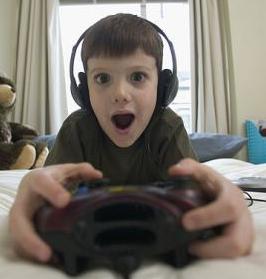
A new study of over 1300 3rd to 5th graders found that parental monitoring of children’s media has ripple effects that extend across several different areas of children’s lives out into the future. For this study, my colleagues and I talked to children, their parents, their teachers, and even their school nurses, once at the beginning and once at the end of a school year. We asked parents whether they set limits on the amount of screen time their children were allowed to have each day, and also on the content of media their children were allowed access to. As one might expect, setting limits on the amount and content of children’s media is generally effective at reducing time on TV and video games and at reducing violent media exposure.
However, seven months later we got a huge surprise. Children whose parents set more limits on the amount and content of media were now getting more sleep, had gained less weight (lowering their risk of obesity), were getting better grades in school, exhibited more helpful and cooperative social behaviors in school, and were less aggressive with their peers (as seen by the classroom teachers).
Reducing total screen time increases children’s amount of sleep, which in turn lowered their weight gain. Reducing total screen time also led to higher school performance, more prosocial behavior, and lower aggressive behavior (standardized regression weights between .08 and .22). Reducing media violence exposure had additional (and larger) benefits for increasing prosocial behavior and lowering aggressive behavior. These effect sizes are generally considered to be in the small to medium range (See Figure 2 from the article).
Parents often say that they feel out of control—technology is constantly changing and children “get” it easier than their parents. This makes the parents feel like they’re not really having any impact. This study demonstrates that, on the contrary, parents are having much farther reaching effects than they know.
via Study: Kids on screen-time diet lost weight, performed better in school – Salon.com.