 *
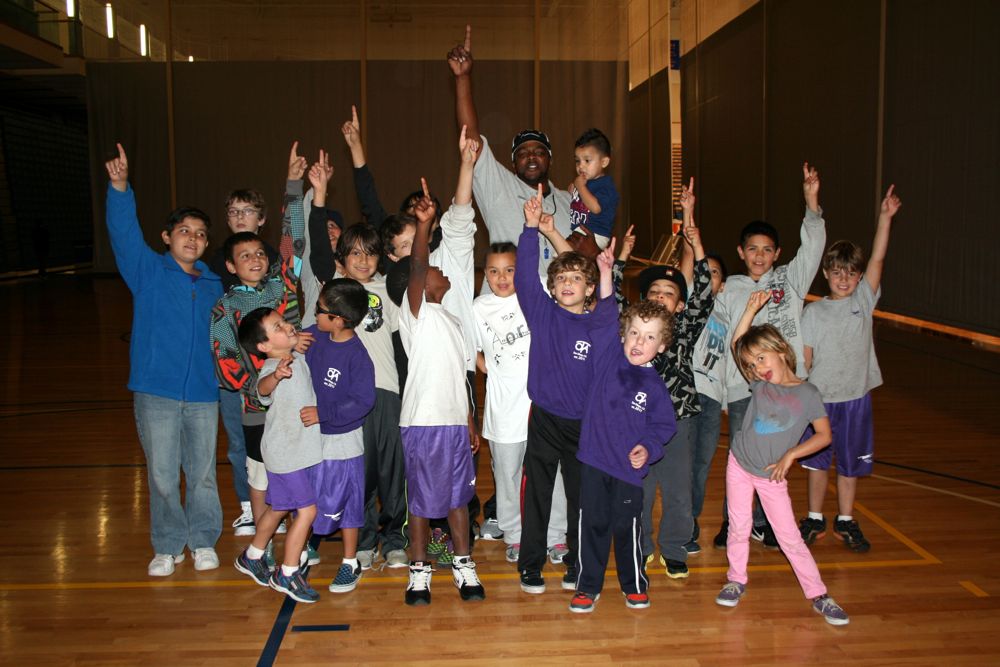
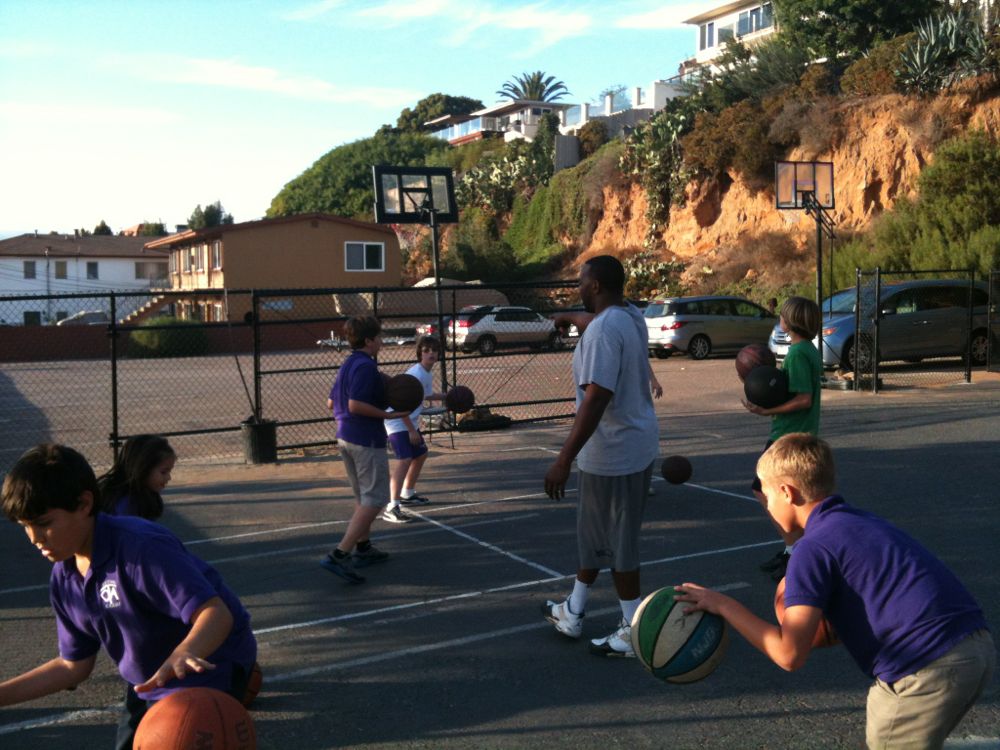
As Athletic Director, Mr. Curry will be responsible for three major elements of OTA’s Outdoor Education Program: Team Sports, for Skills & Character Education; Conditioning; and Health & Nutrition.
Coach Rich, a former semi-pro player in the Sonora Mexico, has over 17 years of coaching experience and has been working with OTA students in the Afterschool Basketball program and teaching PE to 5th-8th graders as a volunteer over the last year. During this time we saw that Rich is not only a master coach but a great leader who knows how to use team sports to help kids develop skills, talent, and character. OTA will be adapting a Character Report Card system in 2013-2014 (see below: ** 7 Key Character Strengths and 6 Keys to Developing Character) and Rich will be using Team Sports to teach character ed and help support that school-wide effort.
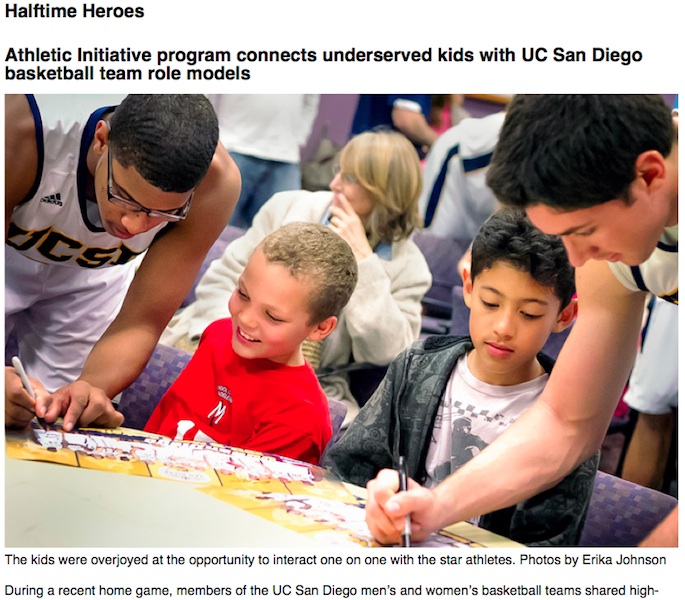
Rich and his wife April Curry (who served as OTA’s K-4 PE Coach and Recess Director this year and who will be returning to OTA after her maternity leave) founded Athletic Initiative, a non-profit dedicated to using team sports to prevent bullying and introduce young players to role models.
“Early Learning Advantage” courses in Music, Math, Robotics, and Science. Academics comes first at OTA; but we still value sports. Why? Team sports make you more confident, healthier, and smarter (that’s right, studies—here and here— show aerobic exercise makes you smarter: athletes were smarter in “several areas of cognitive ability: creative problem solving, multi-tasking, inhibition and working memory”).Team Sports also introduces a reality principle— and, if you’re lucky enough to have a great coach, a love of excellence and an appreciation for the hours of smart practice and play (10,000 hours according to the researchers) it takes to be great in sports, music, science, or any art or science worth mastering— into the lives of the X-Box generation. In sports you can’t hit reset and try again: the game goes on.
ZEST
- Actively participates
- Shows enthusiasm
- Invigorates others
GRIT
- Finishes whatever he or she begins
- Tries very hard even after experiencing failure
- Works independently with focus
SELF-CONTROL – SCHOOL WORK
- Comes to class prepared
- Pays attention and resists distractions
- Remembers and follows directions
- Gets to work right away rather than procrastinating
SELF-CONTROL – INTERPERSONAL
- Remains calm even when criticized or otherwise provoked
- Allows others to speak without interruption
- Is polite to adults and peers
- Keeps temper in check
OPTIMISM
- Gets over frustrations and setbacks quickly
- Believes that effort will improve his or her future
GRATITUDE
- Recognizes and shows appreciation for others
- Recognizes and shows appreciation for his/her opportunities
SOCIAL INTELLIGENCE
- Able to find solutions during conflicts with others
- Demonstrates respect for feelings of others
- Knows when and how to include others
CURIOSITY
- Is eager to explore new things
- Asks and answers questions to deepen understanding
- Actively listens to others
Six Keys to Developing Character
1. Believe It and Model It: Breathe life into the James Baldwin quote that, “The children are ours. Every single one of them…children have never been very good at listening to their elders but have never failed to imitate them.”
2. Name It: Give the intangible and often unnamed a name. Martin Seligman and Chris Peterson identified 24 character strengths that lead to happy, engaged, and meaningful lives. 7 of these strengths are “high predictive‟ strengths: zest, grit, self- control, hope, love, social intelligence, and gratitude.
3. Find It: Introducing kids to real-world and fictional examples that display the various character strengths
4. Feel It: Giving kids the opportunity to feel the positive effects of being character- 5. Integrate It: Creating dual-purpose experiences that involve the character strengths
6. Praise It: Providing people with growth mindset praise (i.e. precise, descriptive praise) around character.