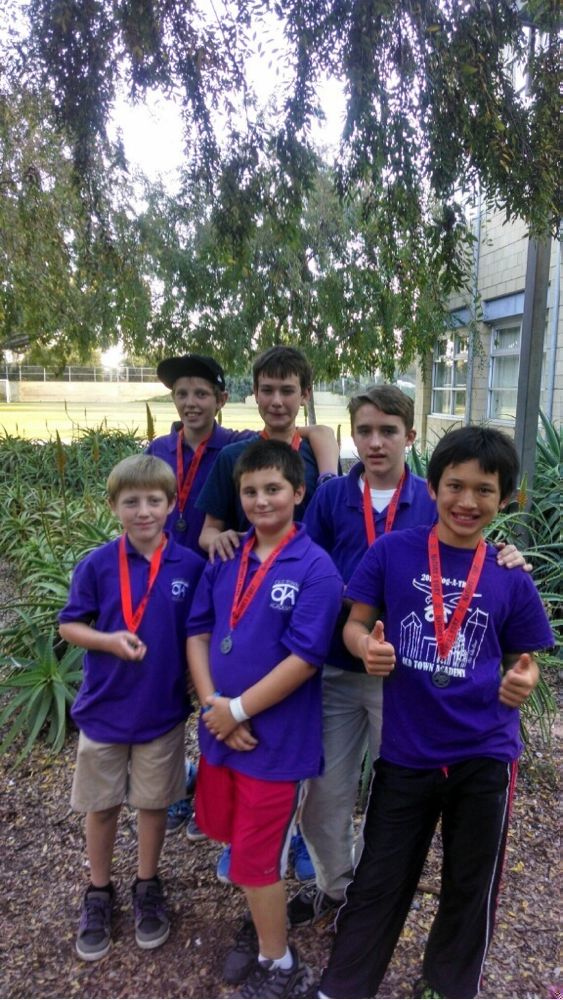
 The OTA Team earned 6th place overall and will compete in the Southern Cal Regionals: Sunday, Dec 8 at Legoland.

The OTA Team earned 6th place overall and will compete in the Southern Cal Regionals: Sunday, Dec 8 at Legoland.
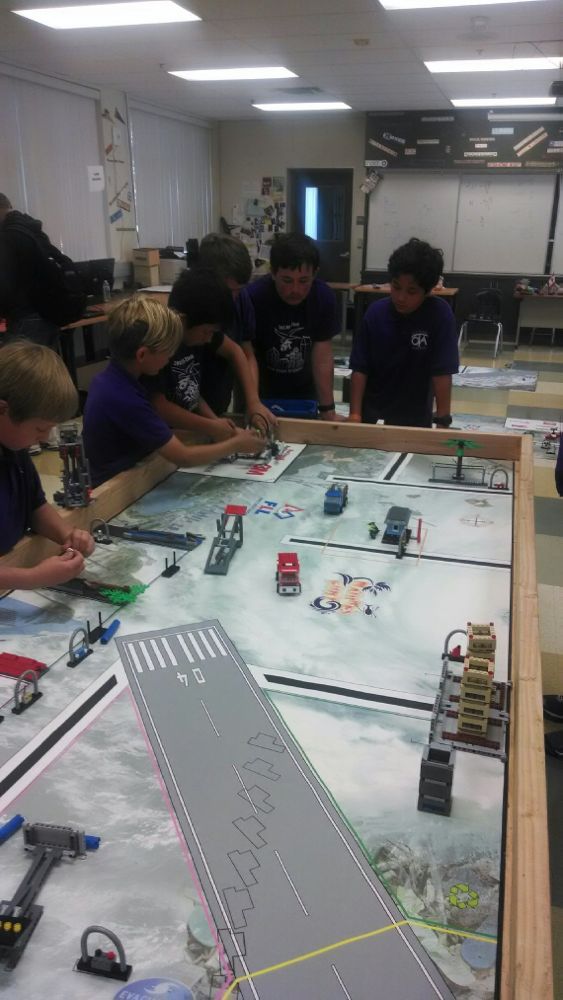
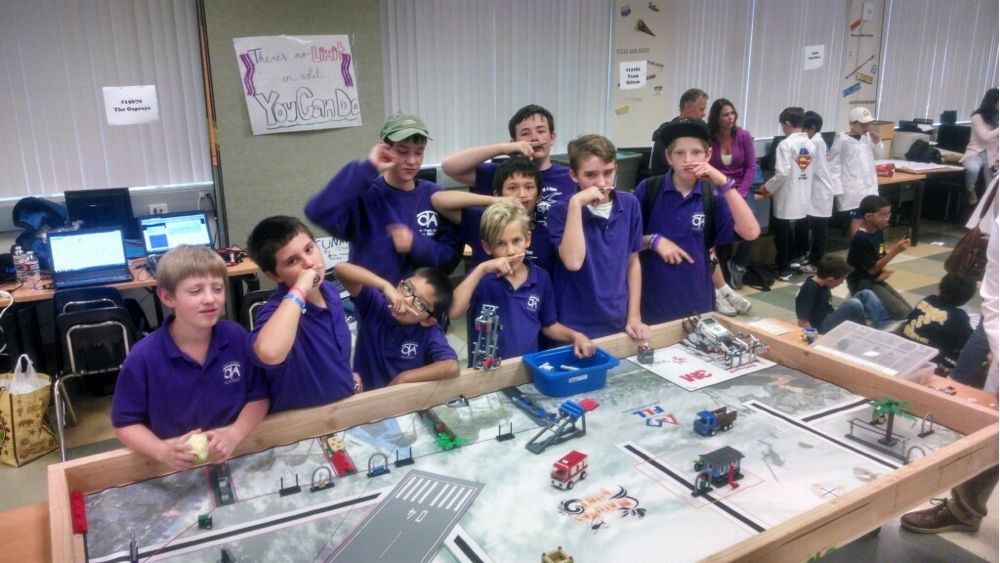
Mr. Major’s 2013 Fall Team: at the end of Round 1 they are in second place!
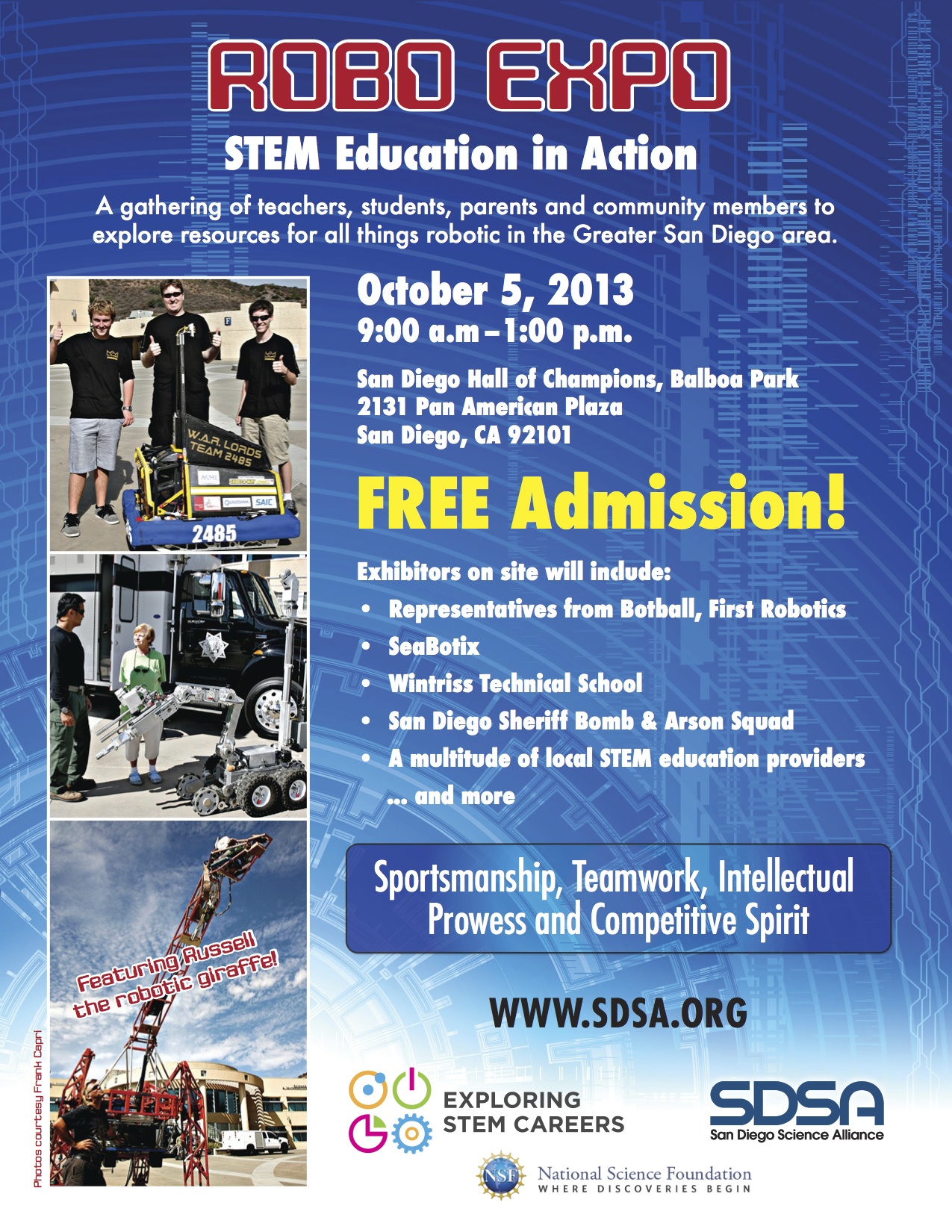
Come to this Fun and FREE event This Saturday! The Robo Expo highlights two robotics programs used at OTA: LEGO LEAGUE and BOTBALL! Don’t miss out. Balboa Park, Hall of Champions.
Note: After-School Programs will not begin until the second week of school… schedule and sign-up sheet available soon. Thank You.

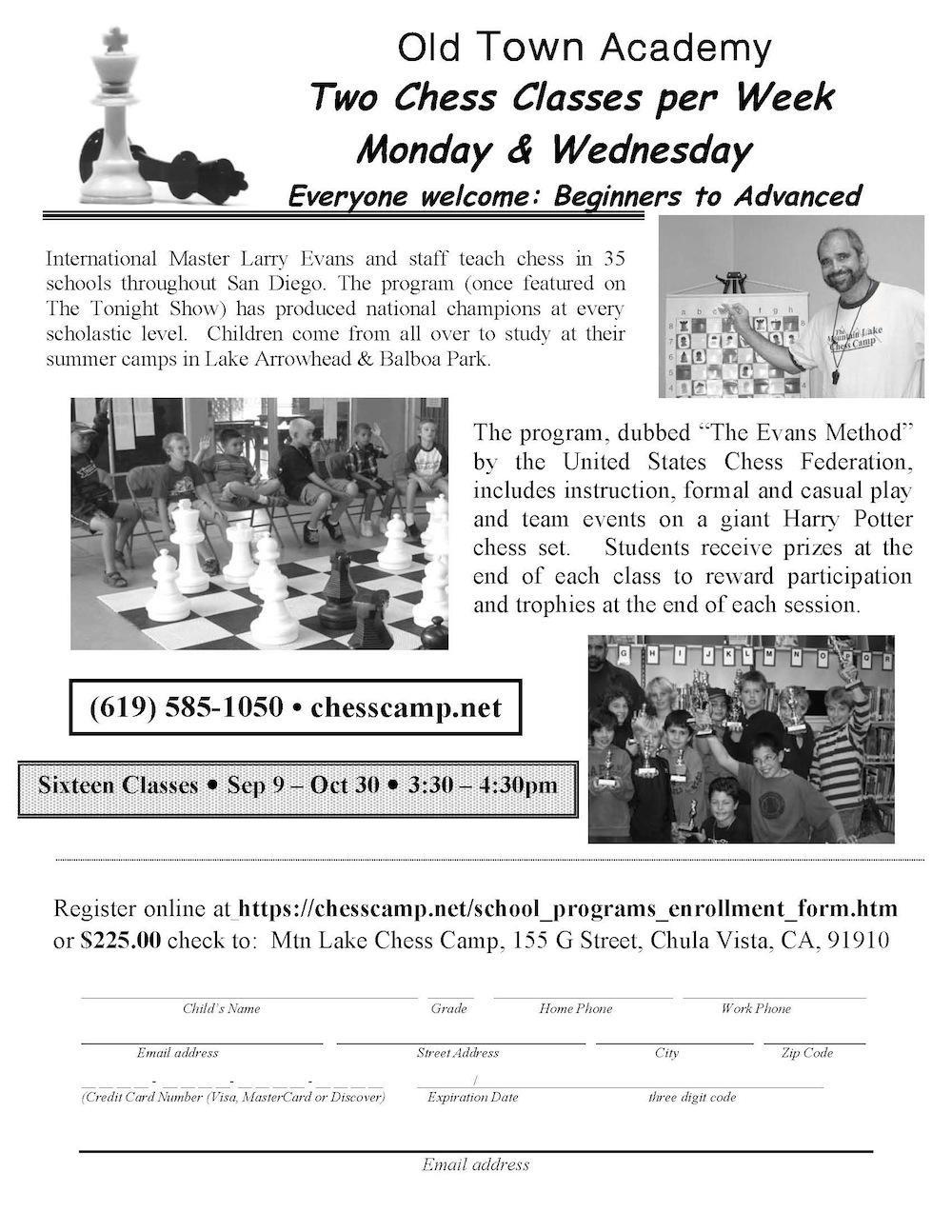
Why Study Chess? Patience, Planning, Problem-Solving, Puzzling, Perseverance… Chess teaches self-control & humility, grace under pressure, & it makes children smarter.*
Larry Evans Chess Camp is taught by master instructors, using very effective tools and motivation techniques. OTA students loved it during our first year but schedule changes brought it down to once a week last year. Once a week isn’t enough to learn anything! So, we’re bringing it back to two days a week.
*
STUDIES (see more studies at Quad City Chess Club)
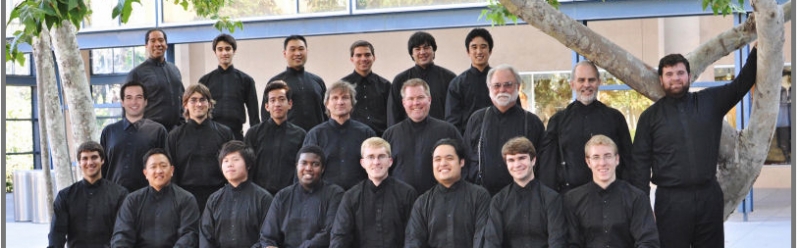

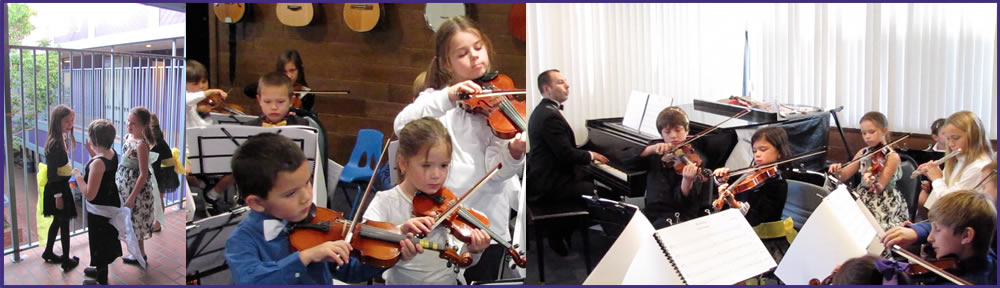
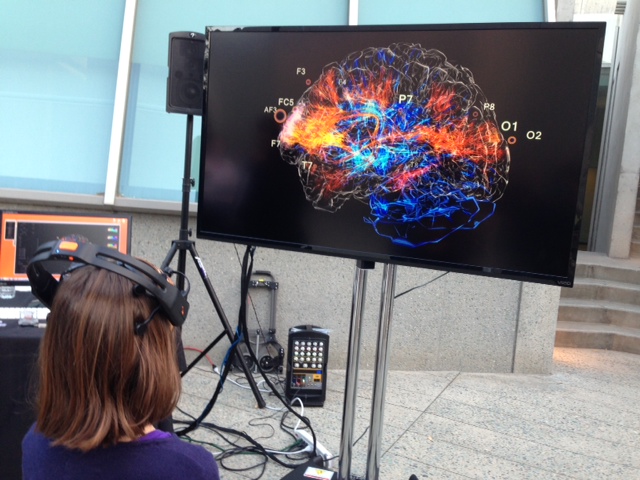
OTA Student Simone’s brain-on-music at the “Mainly Mozart and the Mind” festival!
At the “Mainly Mozart and the Mind” concert last month we learned from Northwestern university professor Nina Krauss that 6-12 years of music education (playing an instrument) not only makes you smarter, it actually prevents the brain from aging!
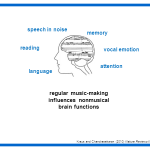
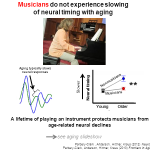
More confirmation that we are on the right track at OTA with our focus on early learning advantage courses in the Kiwanis Club of San Diego Piano Lab and our schoolwide focus on Music, Math, & Science.
ST Math program (the innovative visual learning software that Continue reading
Come down and watch the action Saturday April 6 as OTA Students compete against middle and high school teams in the Greater San Diego Botball Tournament. Schedule is below.
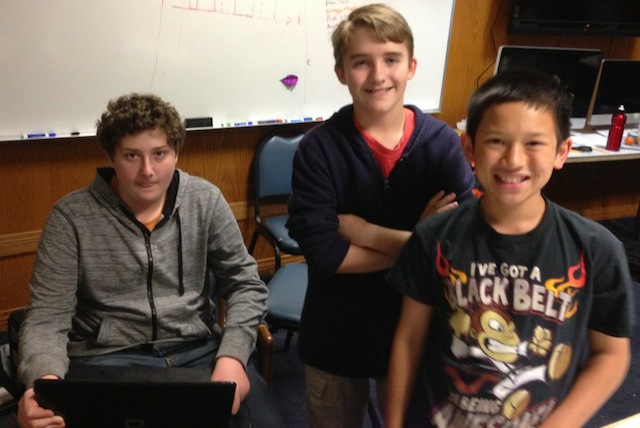 Team Members Max, RT, Xavier (Not pictured: Judge Katz, George Riffle, Tom Doar)
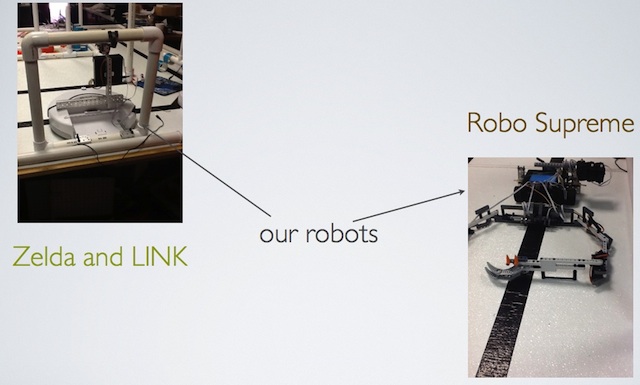
This year’s model is the Mars Rover robot. Students must build and program two types of robots to work together collecting samples and returning them to base

“These are the sort of things that 10, 12, 15 years ago computer science PhDs were working on, and now you’ve got 12, 14, 15 year old students doing it.”
– David Lavery,
Solar System Explorations, NASA
To learn more and get directions to the tournament…
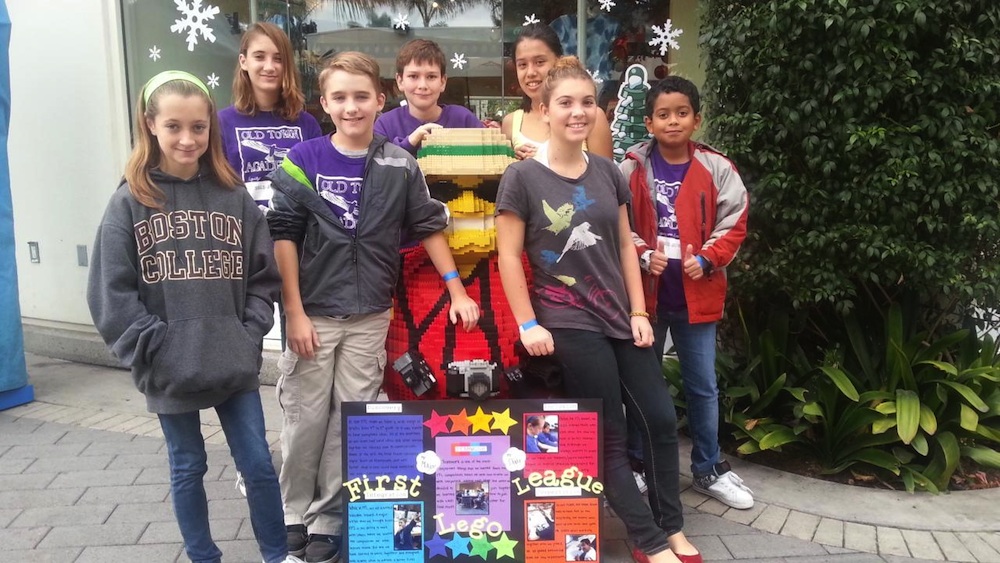
Some team members on the way to the tournament… More Details soon.
How America Can Get More Start-Up Talent
Build it right at home: Congress should encourage public schools to teach American children how to code just after they learn to multiply.
Read the full article in How America Can Get More Start-Up Talent.
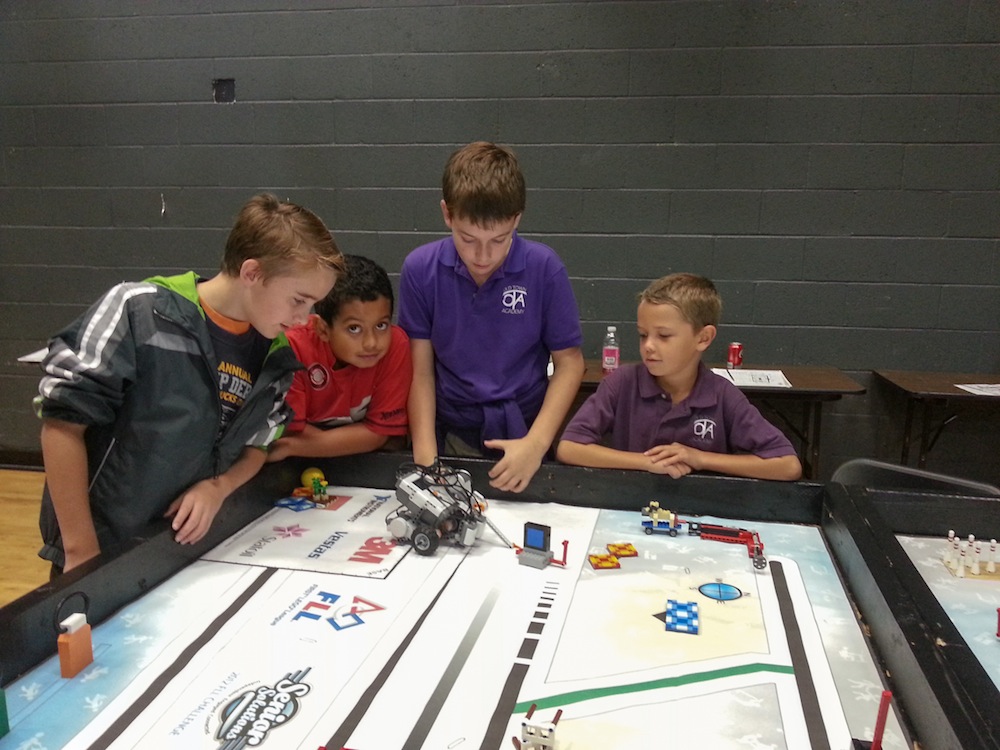
See slideshow from the latest OTA Robotics Tournament, Dec 10. OTA entered 3 teams…. and a more recent update from the 2014 Botball Tournament
Teaching every child to program a computer was a dream of the 1980s when the personal computer first entered the classroom. The dream quickly died out, however (buried under a flood of point-and-click “edu-tainment” software), and the computers ended up programming the children.
At OTA children program the computers; and it all starts with robots…
We not only teach every child in grades K-8 how to read music (their first symbolic language) and play piano, we also teach them to “write code” by teaching them to program Roamer Robots, Probot Racer Robots, and Lego Mindstorms robots.
 Simulator in the second quarter thanks to a grant from Kiwanis Club of San Diego. Watch videos of 3rd-5th Programmers
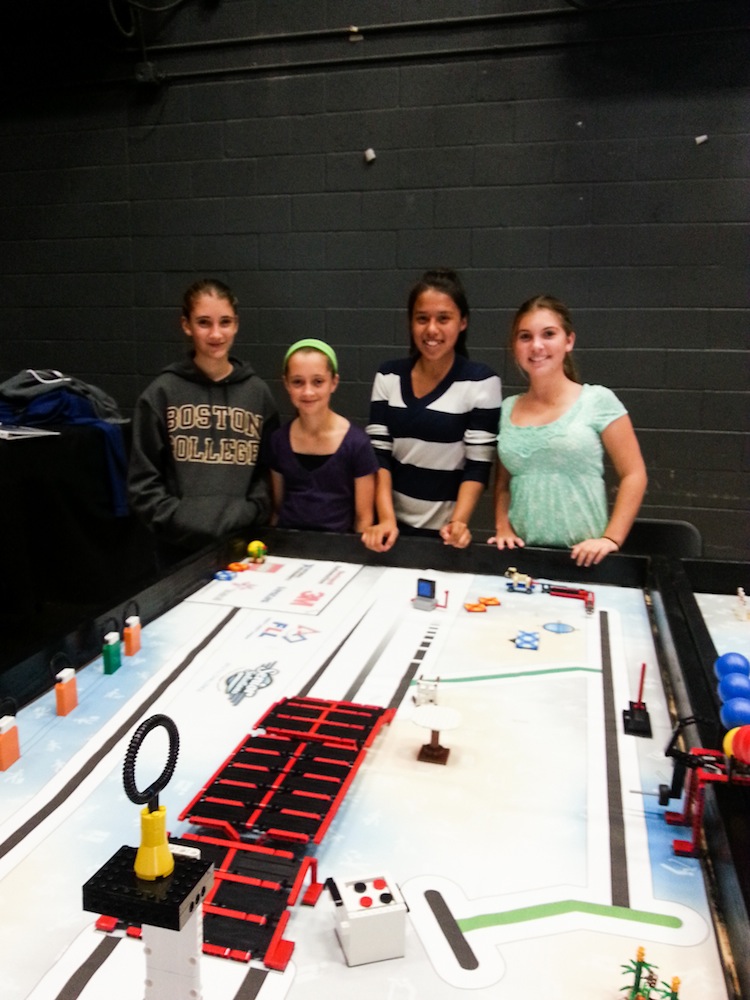
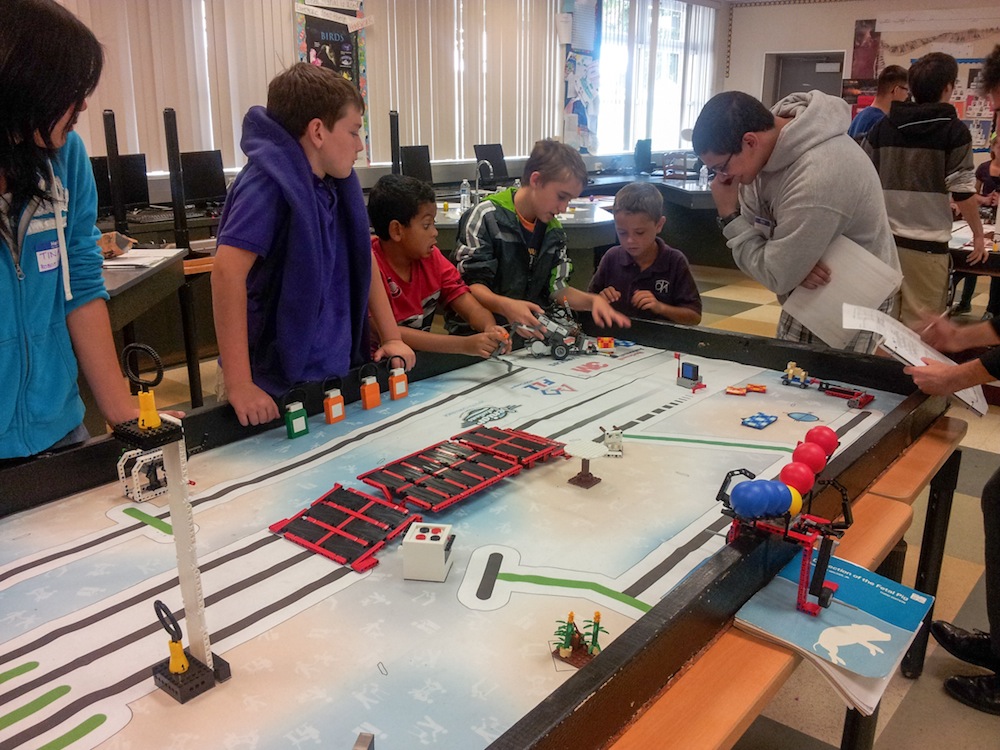
10 OTA students participating in 3 teams moved into the next round at the Southern California First Lego League Championship Tournament this Saturday! The next round of the tournament will take place on on Sunday, December 2nd. Come out and support our teams.
In order to advance to the next level of competition, students had to compete in 2 separate areas:
(1) Designing, building and programming a semi-autonomous robot.
To see slideshow…