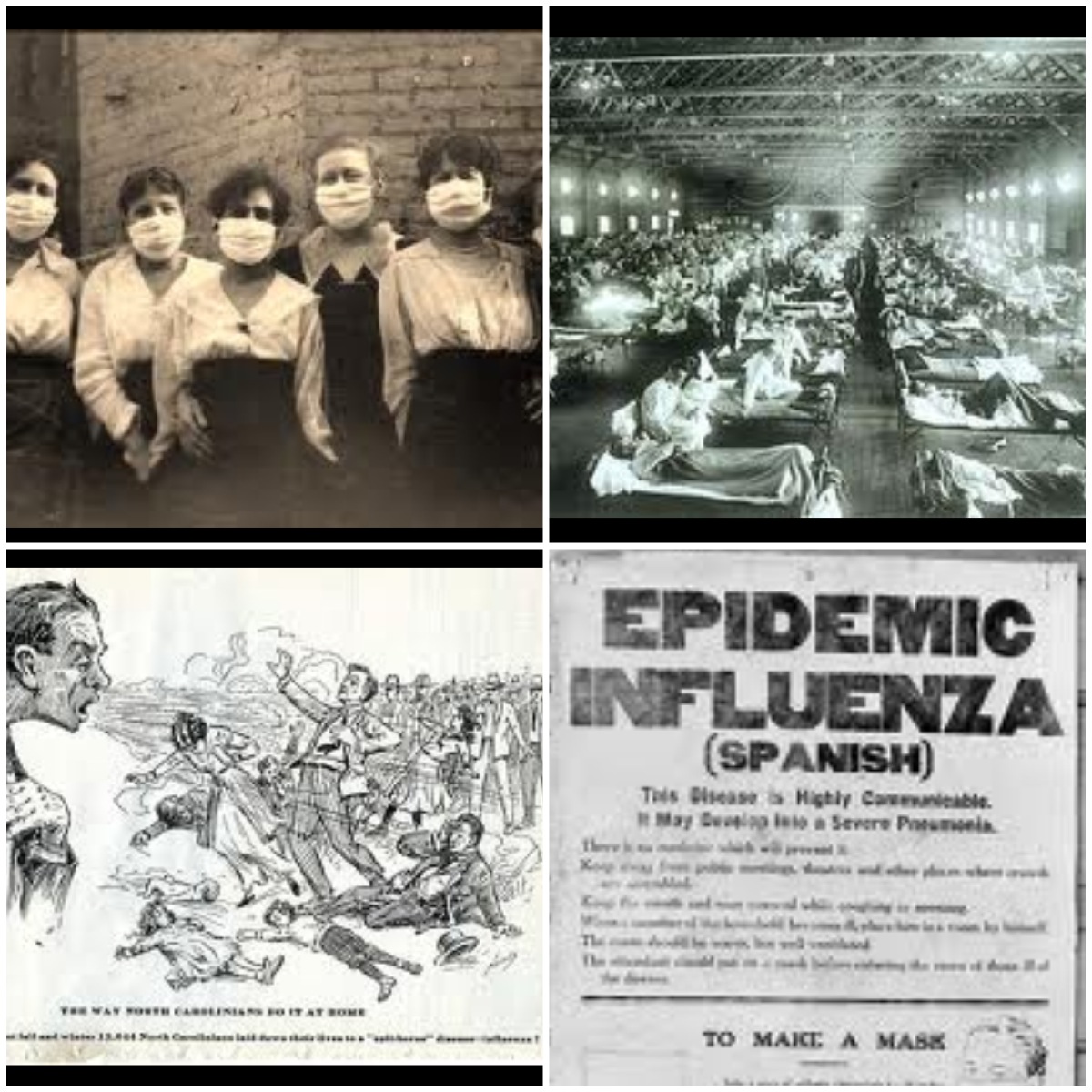
“They’d be sick one day… and gone the next, just like that, fill up and die,” (Smith 1). In 1918, the influenza spread worldwide with serious symptoms. The Board of Health tried different treatments to stop the dangerous influenza. However, treatments couldn’t help all who had it. Millions of people died from the H1N1 influenza.
In early 1918, H1N1 influenza virus struck Haskell County, Kansas. However, “The virus became known as ‘Spanish Flu’ (the Spanish called it ‘The French Flu’; Germans, ‘Blitzatarrah’)” (1). The H1N1 was becoming a deadly epidemic. People worldwide started to get fevers, drippy noses, achy bones, and it was hard to recover. The Board of Health had confused the H1N1 with a common cold… but boy were they wrong! The H1N1 was completely different from then a common cold because a cold was not an epidemic it was just cold feet and had treatment for it so it was easy to recover from. However, in contrast with the H1N1 it was the deadliest virus in history. One day the victim would be healthy, and the next they would be having blue skin, achy bones, etc. It was hard to find a treatment, which meant it was not an easy thing to recover from.
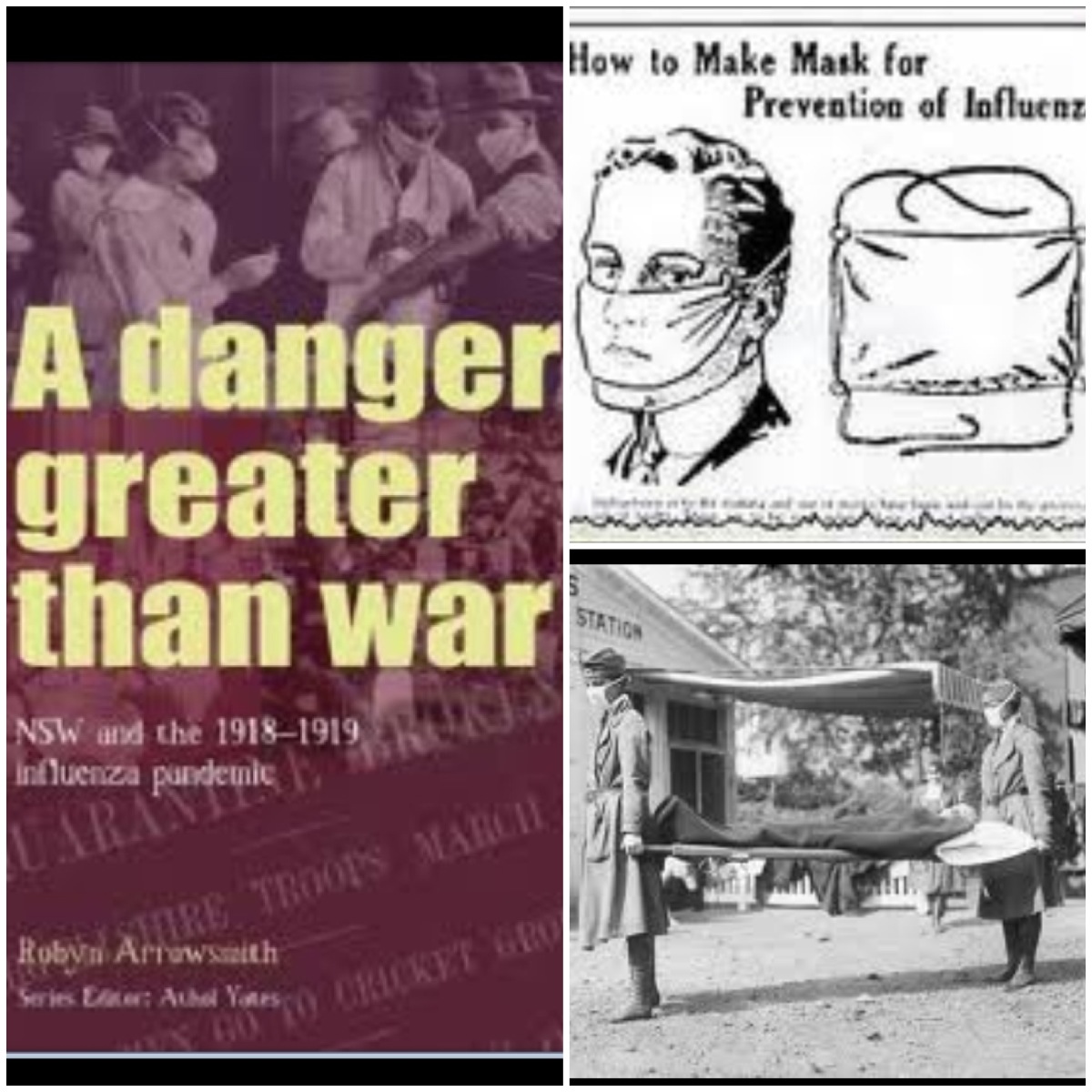
The virus was infecting so many, people and they needed help. Fire departments had stations, where the infected could have their throats sprayed with quinine bisulphate. Doctors divided people that came in with the H1N1 into groups: those with pale skin, and with cyanosis, or blue skin. By October, facilities such as Fort Rosecrans along with North Island went under quarantine. On October 13, the Board of Health recommended to close public amusements indefinitely – theaters, churches, dance halls, schools, libraries, movie houses, etc. “At least some San Diegans heeded the advice; the booth at Hortan Plaza ran out of the bitter-tasting ‘Aunting Flu’ remedy almost daily,” (1). Sooner than later, the Board of Health insisted that when San Diegans went outside they wore gauze masks. Dr. Remondino turned the Old Mission Brewery, at the end of Washington Steet, into a emergency insolation hospital.
“Original estimates ranged between 20 and 40 million people killed worldwide. But since current thinking put that numbers between 50 and 100 million,” (2). Sadly, the most common people that were infected were usually the healthiest, including pregnant women. December 6th of 1918 an “absolute quarantine” went into effect. Stores provided the necessities of life: food supplies and or drugs (medication). Between October 8 and December 9, 1918, 3,337 San Diegans came down with the flu, however only 202 San Diegans died.
Finally, danger was gone. By March of 1919 the influenza virus had vanished from the U.S. The H1N1 virus was the worst pandemic in all of history, because not only did millions of people died from it but it was something very easy to catch without an easy recovery.