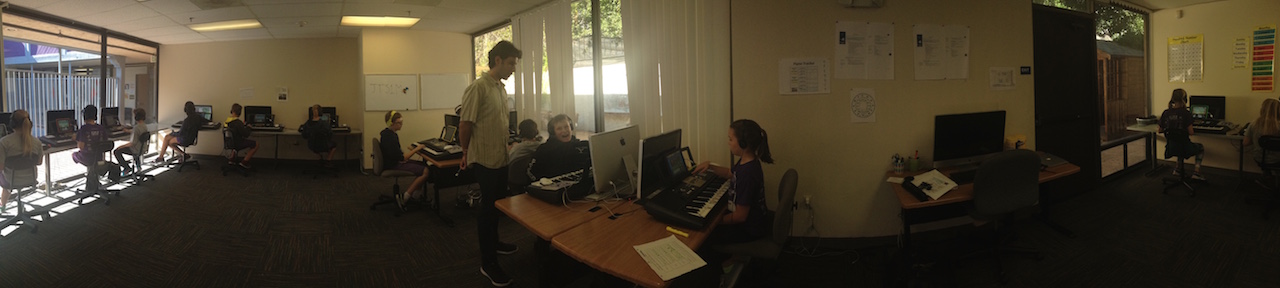
6th Grade Starts Piano Maestro – Sight Reading Music – Playing with the Band!

IMG_0148

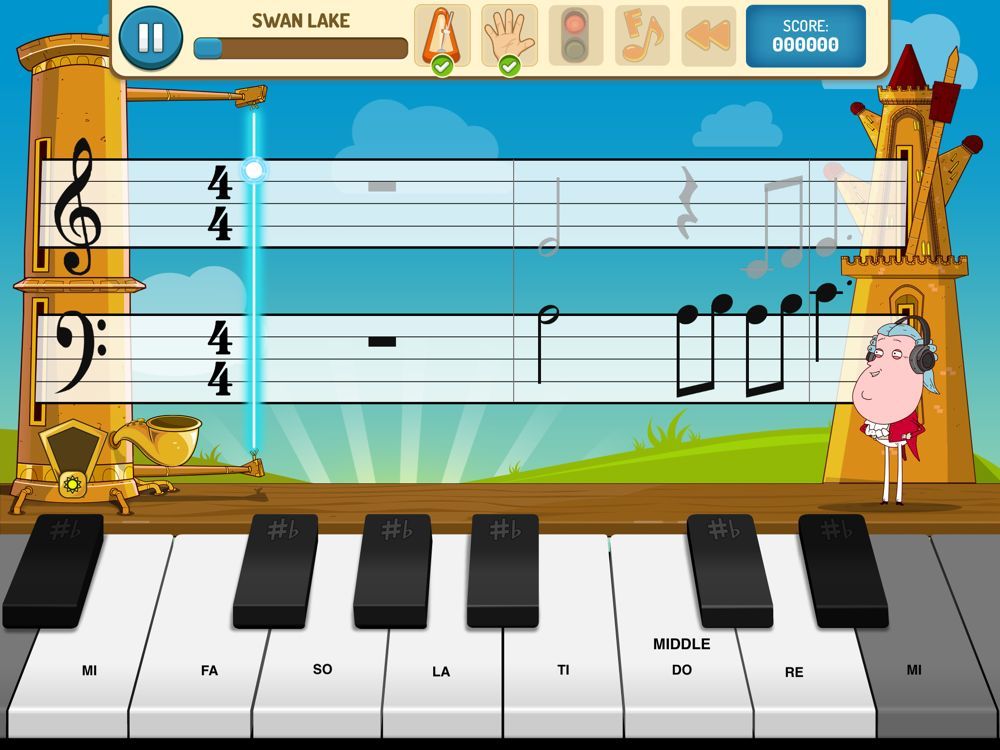
Why Piano Maestro? OTA Students started their piano journey with Soft Mozart, a perfect introduction to musical notation and the keyboard. But now they are ready to move up to the next level. The program is free on iPads for students at OTA (Download App, sign in, register w/ Anthony Kaneaster as teacher): all you need is an iPad and a keyboard (no cables!).

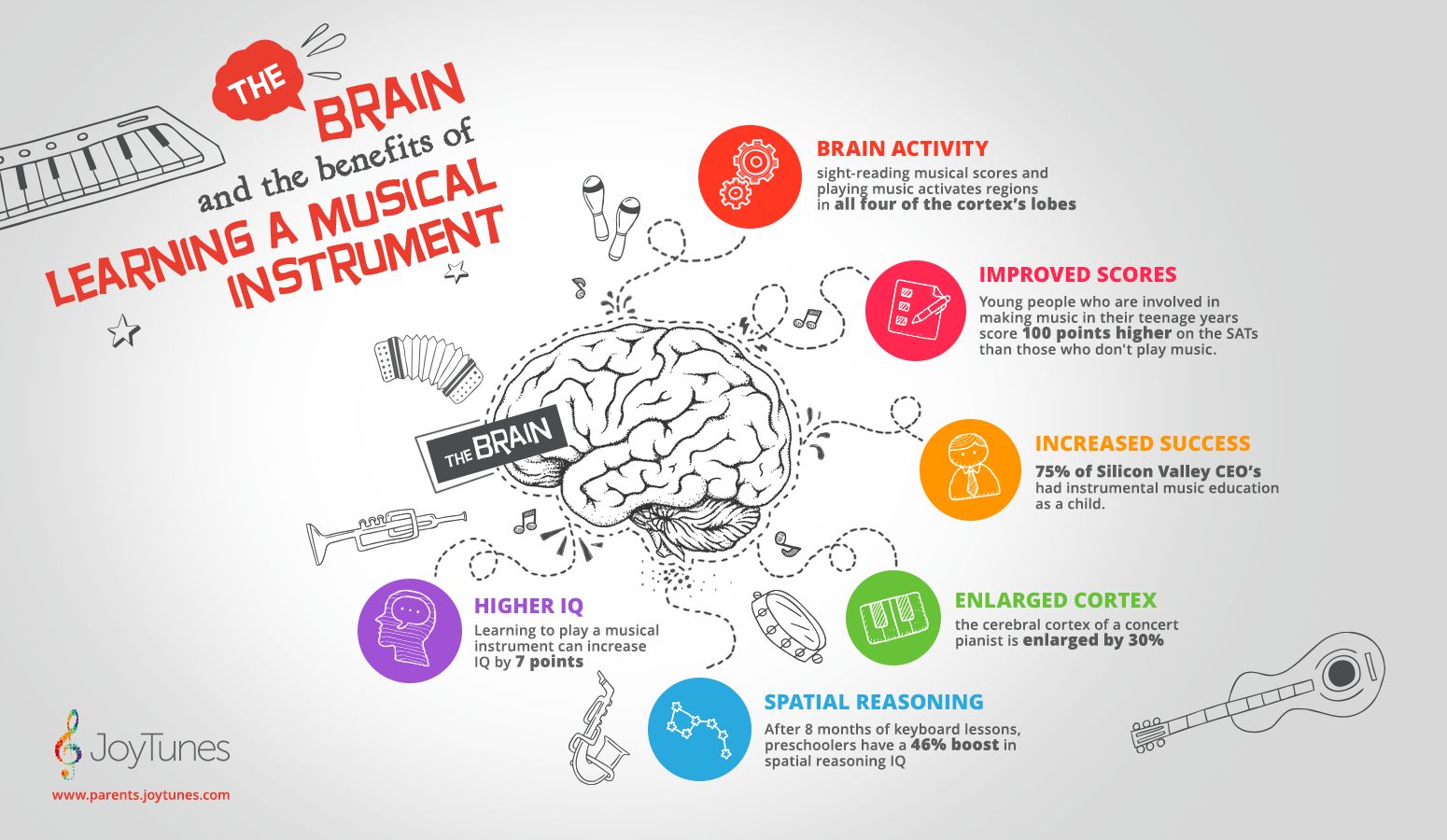
Piano Maestro-Joy Tunes Why Study Music

Piano Maestro-Learning Lab App of the Week

Posted in Uncategorized

What is MAP (Measures of Academic Progress)?

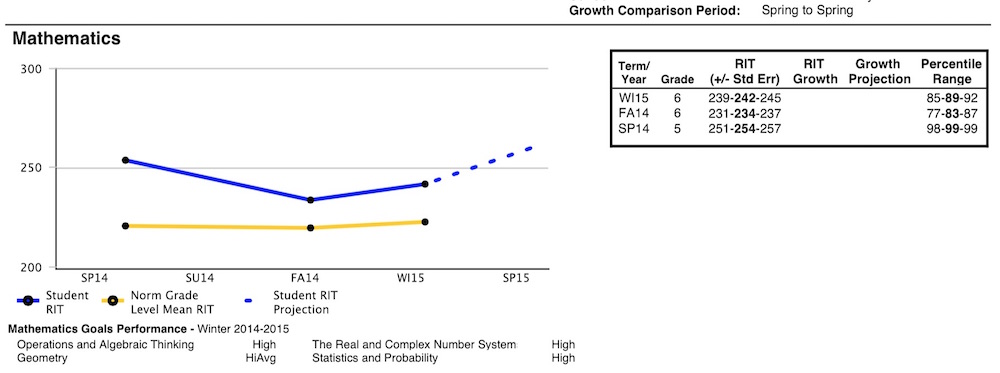
Summer Learning Loss MAP line graph Sample

  • Fall MAP Assessment is complete for all new and returning students. The MAP (Measures of Academic Progress) assessment is designed to measure growth and in the absence of state testing last year, OTA re-implemented MAP. Since the test is computerized teachers can get results quickly; but there was also a great deal of work involved re-tooling our school labs to assess all students on computer. Thank you Mr Batista and Mr Major for the many hours you put in getting us ready!
  • Spring MAP results will be not be sent home with Q1 report cards since due to technical difficulties related to switching the entire school to computerized testing (wireless keyboards not working, some classes not finishing entire test, etc.) the results are not a good measure of last year’s performance. Fall results will be used along with a winter assessment to set goals and make mid-year corrections.
  • The biggest finding from the Spring-Fall results so far is that OTA students confirm the summer learning loss theory. For example OTA students lost an average of 10% on their math scores over summer.
Posted in Uncategorized

Reading Music: What happens when you turn the Grand Staff on its side?

Its symmetry is suddenly visible… this pattern helps children memorize the staff…

For everyone to know:
The keys of any piano, keyboard, harpsichord, organ or any other key instrument and the lines and spaces of the Grand Staff are connected with a bold, unambiguous and visually clear bond.The Grand Staff is perfectly symmetrical.

Use the following visual tricks to help your child learning Gentle Piano with ease:
Posted in Uncategorized

Does Your LAB (Classroom) Tell a Story? | Edutopia

goodman-does-your-classroom-tell-story-460x345

NOVEMBER 11, 2014

Do you have mystery objects that attract the curiosity of students, leading them to ask questions and that foster meaningful conversations? Is your classroom visually stimulating for the students?

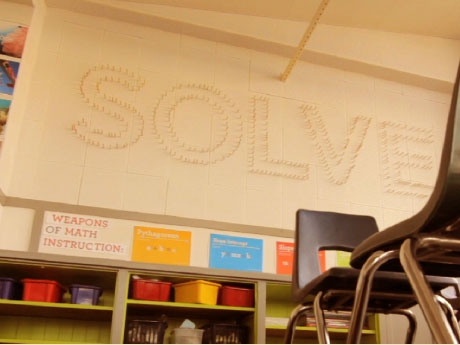
Does it cultivate creativity, and more importantly, is it filled with objects, images and even props that help your students learn, even when they think they’re not learning?

Like most teachers, I decorate my classroom with posters and objects that help promote learning, but that also lend a little pizzazz to an otherwise humdrum learning environment. It is typical, for example, for science teachers to have full skeletons and periodic tables in the classrooms, or for history teachers to have maps and portraits of famous historical figures pinned to the walls. However, the best teaching props are the ones that are not so obvious and that help the teacher reach students in unexpected ways.

Why is that Map Upside Down?

One of my favorite classroom props is the “south up map.” This map is oriented in a way that many would consider to be upside down in that the southern hemisphere is at the top of the map, and east is to the left. Of course, we know that the earth doesn’t have an actual top or bottom, up or down. Students are immediately curious about this map, and more importantly, a teachable moment about history, power, and cultural assumptions can be started in the best way possible, driven by the curiosity of the student.

Another item that provokes conversation is an art object that I purchased at the museum store that consists of a dollar bill enclosed in a cellophane package and priced at 99 cents. From this one prop, I have had countless conversations about money, value, irony, and yes, contemporary art, with students who casually notice it and ask me about it.

Curiosity and Wonder

In short, you want your classroom to be more than just a visual showroom of your particular subject. Here are some suggestions that will help make your classroom into a palace of curiosity and wonder:

via Does Your Classroom Tell a Story? | Edutopia.
Posted in Uncategorized

For a Better Brain, Learn Another Language – The Atlantic

For Better Brain-learn foreign language

But the benefits of speaking multiple languages extend past just having access to different words, concepts, metaphors, and frames.

Multilingualism has a whole slew of incredible side effects: Multi-linguals tend to score better on standardized tests, especially in math, reading, and vocabulary; they are better at remembering lists or sequences, likely from learning grammatical rules and vocabulary; they are more perceptive to their surroundings and therefore better at focusing in on important information while weeding out misleading information (it’s no surprise Sherlock Holmes and Hercule Poirot are skilled polyglots). And there’s certainly something to be said for the cultural pleasure of reading The Odyssey in ancient Greek or Proust’s In Search of Lost Time in French.

“Cognitive traps,” or simple mistakes in spelling or comprehension that our brains tend to make when taking linguistic shortcuts (such as how you can easily read “tihs senetcne taht is trerilby msispleld”), are better avoided when one speaks multiple languages. Continue reading →

Posted in Uncategorized

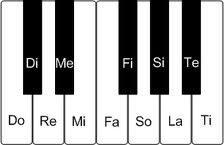
First Graders in the Music Lab • Step 2: Sing the Solfege as you play (Video)

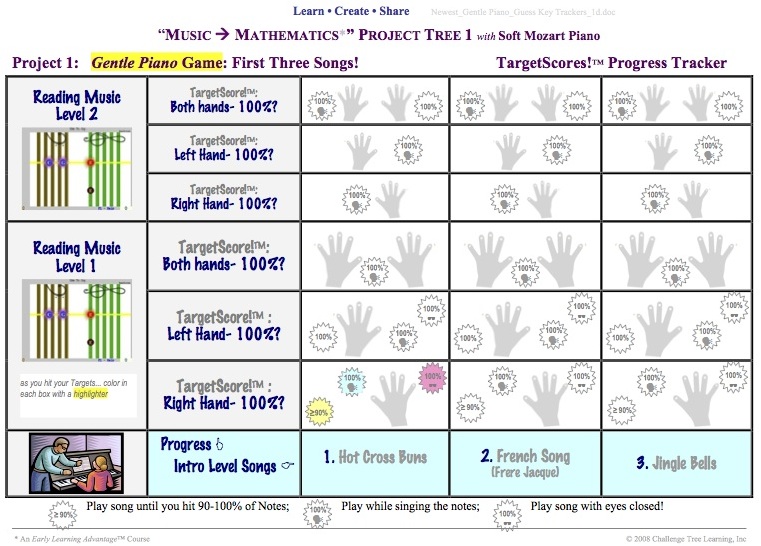
As you know, our First Graders learn each new song in piano lab in three phases:

They begin by learning the right hand melody: Step 1. Play the notes; Step 2. Sing the solfege (do-re-mi) as you play (to train the ear and the memory); Step 3. Play the song from memory with the notes hidden.

Solfege Notes on Piano

Then they learn the left hand chords: Step 1. Play the notes; Step 2. Sing the chord names (Do chord, Sol 7 Chord, etc.) as you play; Step 3. Play the song from memory.

Finally they play both hands together: Step 1. Play the notes; Step 2. Sing the solfege (do-re-mi) as you play; Step 3. Play the song from memory with the notes hidden.

Enjoy the video of the first graders singing solfege with the headphones on!
More first grade music videos coming soon…

Newest_Gentle Piano_Tracker_1d

Posted in Uncategorized