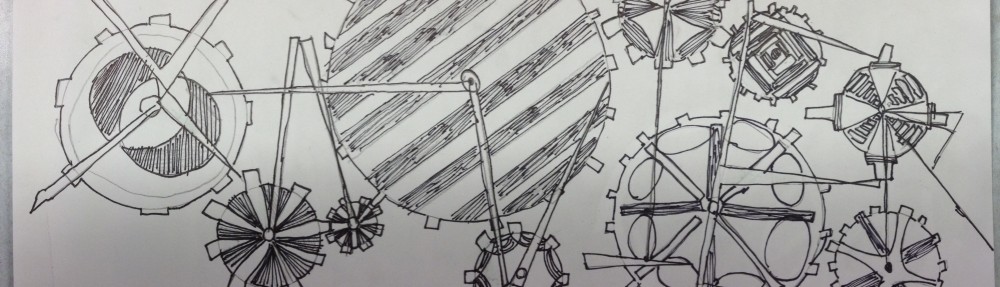
Stephen Gardiner once said, “The Industrial Revolution was another of those extraordinary jumps forward in the story of civilization.” Why was it an extraordinary jump you may ask? This revolution changed how things were produced and how efficiently they were made.
History:
The Industrial Revolution began in England in the early 1700s. People wanted to find out how to make their lives easier. This came in the form of new inventions, large factories and an increase in population. From the 1500s on there was a huge increase in population. There weren’t enough farm jobs, therefore people moved to the city to work in factories. Farmers came up with better ways to farm, which made less jobs in the country.
Inventors & Inventions:
The Industrial Revolution inspired many inventions. One of the main inventions was the Steam Engine made by Thomas Nucamin in 1712. It pumped out water from mines, which made is easier to access coal and metals. Later, James Watt improved the Steam Engine in 1775 by creating a small, separate condensing cylinder. In 1844, Ellis Howe invented the sewing machine. Another famous inventor was Nikola Tesla – he created the Induction Electric Motor in 1888. A few years later, Eli Whitney would invent the Cotton Gin. This device easily pulled out cotton seeds – this made clothing production more efficient.
Everyday People:
When the Industrial Revolution started, factories opened and families were forced to make their children to go to work. Eighty percent of people were very poor and had no other choice. Factory owners often paid child workers very little. Factory owners would treat children workers horribly – constantly beating them and overworking them. Children were used because they could be easily replaced. Some work days would be 19 hour days. However, the Factory Act changed all of this in 1833. Some of the provisions were: children could not work on clothing until age 9, children ages 9 to 13 could only work 9 hours a day, children ages 13 to 18 could only work 12 hours a day and children under 11 had to go to school for 2 hours a day. There was very little time to relax. During this hard time, people turned to religion for comfort.
Role of Government:
In the beginning of the Industrial Revolution the government was not involved. For example life for people who worked at mills and factories often had terrible wages and working conditions. Laissez Faire had a major impact during this time. It means leave it alone free from any restrains such at taxation, labor laws, environmental laws, etc. Pretty much any owner of a factory could do anything he or she wanted, dump their coal, ash in the river, pay their employees in store credit, turn them into slaves, work them as much as 19 hours a day the government had less interference. Until Lord Ashly purposed a bill where children only had to work 10 hours a day. There was also the mines act, where no children or woman could operate winding gear if under 15. Last but not least, there was the fielders act, if you were under 18 and you lived far away from work you only had to work 10 hours a day.
Conclusion:
In conclusion, the Industrial Revolution effects how we live today. Although it put people out of business, it still has it’s silver lining. Many great inventions were made during this period. The world took a jump into industrial advancement.