
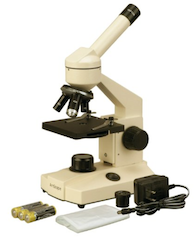
* Learn to use a Stage Optical Microscope, Learn to make slides, Learn to dissect plant specimens for the slide, Learn to make observations *
To earn credit for this project: Use the MICROSCOPE GUIDELINES 2014 to make two color drawings, in your notebook, of each of these plants species at two different magnifications. You must follow the guidelines to receive credit for your observations!
Elodea Plant Cells at:
- 40x
- ?X

- Kingdom: Plantae (PLANT)
- (Clade): Angiosperm (A FLOWERING PLANT)
- (Clade): Monocots (SEEDLINGS have only one stem-like COTELYDON: “seed leaf”)
- Order: Alismatales (TROPICAL/AQUATIC ORDER OF PLANTS)
- Family: Hydrocharitaceae (AQUATIC, Mostly Fresh Water Family of Plants)
- Genus: Elodea
- Michx.
- Species
Onion Plant Cells at:
- 40x
- ?X

- Kingdom: Plantae
- Clade: Angiosperms
- Clade: Monocots
- Order: Asparagales
- Family: Amaryllidaceae
- Subfamily: Allioideae
- Genus: Allium
- Species: A. cepa
- Binomial name Allium cepa
What is a binomial name? Linneus.
In your drawings, Identify & Be Able to Define:
Demonstrate how to use the Microscope:
- Prepare slide,
- Adjust Light,
- Focus,
- Change Magnification
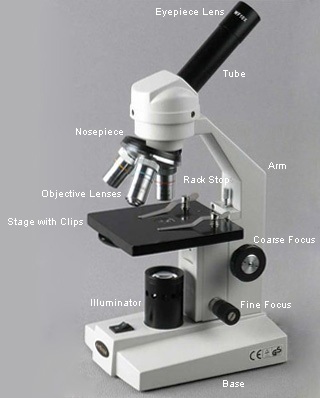
Know History or Microscope, How to Carry, How to Use, Names of Each Part of the Optical Stage Microscope
HISTORY OF MICROSCOPES
During that historic period known as the Renaissance, after the “dark” Middle Ages, there occurred the inventions of printing, gunpowder and the mariner’s compass, followed by the discovery of America. Equally remarkable was the invention of the light microscope: an instrument that enables …
MICROSCOPE PARTS AND FUNCTIONS
Before using a microscope, it is important to know the functions of each part.
Eyepieces: The eyepieces are the lenses at the top that the viewer looks through; they are are usually10X or 15X. To get the total magnification level, multiply the magnification of the eyepiece and the magnification of the objective used (ex: 10X eyepiece * 40X objective = 400X total magnification).
HOW TO CHOOSE A MICROSCOPE
Your application is the most important factor in choosing a microscope. What you need to see and what you want to do with that image will determine what kind of microscope you need. There are two
HOW TO USE A MICROSCOPE PROPERLY
Basics:
1. When transporting the microscope, carry it close to your body with one hand on the arm and the other …
For Flying Colors Extra Credit: Use either the Celstron Digital microscope,
or the Amscope modified by Mr Doar, to take photos of each plant type and pots LABELED photos to your blog–under Science Category!