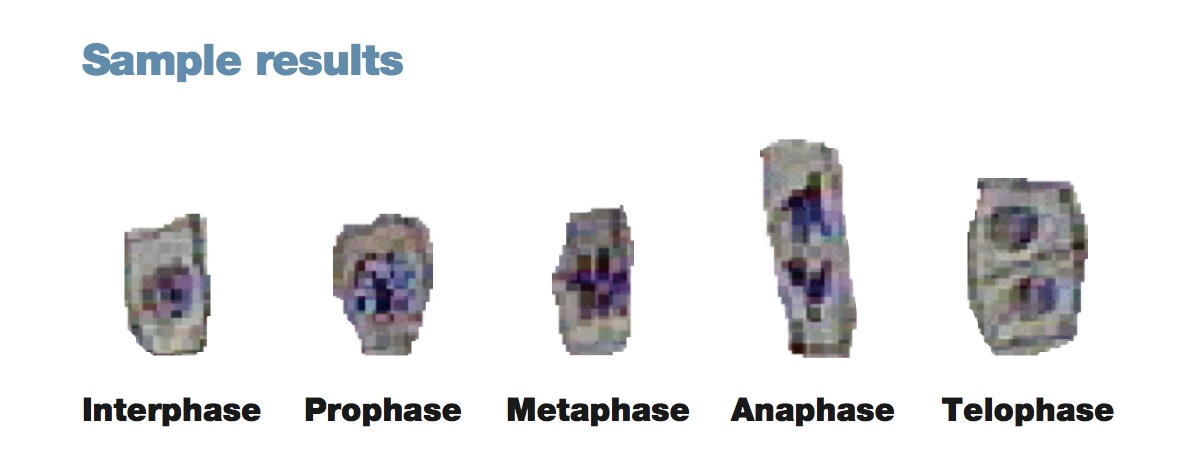
Sample Results (can we do better than this?)
INSTRUCTIONS for EARNING CREDIT (Needs adaptation to current microscopes): Microscope and Cell Division (aka Mitosis)
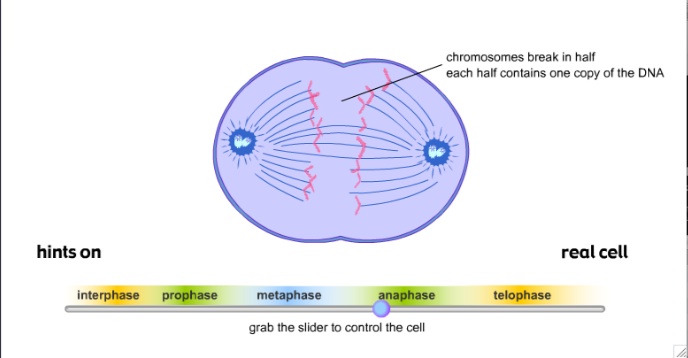

Sample Results (can we do better than this?)
INSTRUCTIONS for EARNING CREDIT (Needs adaptation to current microscopes): Microscope and Cell Division (aka Mitosis)
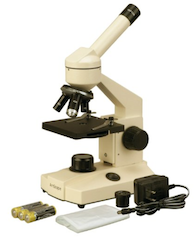
* Learn to use a Stage Optical Microscope, Learn to make slides, Learn to dissect plant specimens for the slide, Learn to make observations *
To earn credit for this project: Use the MICROSCOPE GUIDELINES 2014 to make two color drawings, in your notebook, of each of these plants species at two different magnifications. You must follow the guidelines to receive credit for your observations!
Elodea Plant Cells at:

Onion Plant Cells at:

What is a binomial name? Linneus.
In your drawings, Identify & Be Able to Define:
Demonstrate how to use the Microscope:
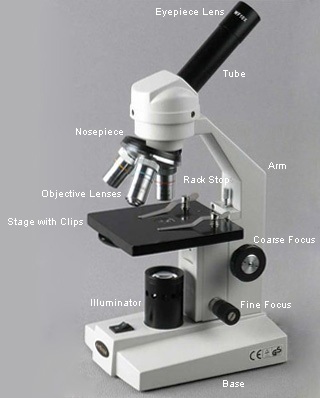
Know History or Microscope, How to Carry, How to Use, Names of Each Part of the Optical Stage Microscope
During that historic period known as the Renaissance, after the “dark” Middle Ages, there occurred the inventions of printing, gunpowder and the mariner’s compass, followed by the discovery of America. Equally remarkable was the invention of the light microscope: an instrument that enables …
Before using a microscope, it is important to know the functions of each part.
Eyepieces: The eyepieces are the lenses at the top that the viewer looks through; they are are usually10X or 15X. To get the total magnification level, multiply the magnification of the eyepiece and the magnification of the objective used (ex: 10X eyepiece * 40X objective = 400X total magnification).
Your application is the most important factor in choosing a microscope. What you need to see and what you want to do with that image will determine what kind of microscope you need. There are two
Basics:
1. When transporting the microscope, carry it close to your body with one hand on the arm and the other …
For Flying Colors Extra Credit: Use either the Celstron Digital microscope,
or the Amscope modified by Mr Doar, to take photos of each plant type and pots LABELED photos to your blog–under Science Category!
WHAT ARE PLANKTON?
The Greek work – plankton – means wandering or roaming – and by definition plankton are those living things which drift about at the mercy of ocean currents.
Many types of Plankton can swim but they are not big or strong enough to move against the current.
Most of the plankton is so small you need a microscope to see it but some plankton – such as jellyfish are much larger.
 *
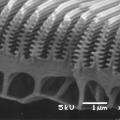 *
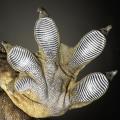
Welcome to the NISE Network Image Collection. Images at the nanoscale and microscale are a powerful way to represent a world too small to see with just our eyes.
These images are available for non-commercial and/or educational use. Please click on “View Image Details” to learn more about “Permissions” for details on how you may use the image and “Minimum Credit” for how you should attribute the image.
These images have been checked for scientific accuracy and permission has been given by creators to include the images in this gallery.
