‘The Sixth Extinction,’ by Elizabeth Kolbert

The resulting rapid warming of both the atmosphere and the ocean, which Kolbert notes has absorbed about one-third of the carbon dioxide we have produced, is wreaking havoc on earth’s delicately balanced ecosystems. It threatens both the web of living species with which we share the planet and the future viability of civilization. “By disrupting these systems,” Kolbert writes, “we’re putting our own survival in danger.”

Continue reading the main story

RELATED COVERAGE

A Conversation With: ‘The Sixth Extinction’ Looks at Human Impact on the EnvironmentFEB. 10, 2014

The earth’s water cycle is being dangerously disturbed, as warmer oceans evaporate more water vapor into the air. Warmer air holds more moisture (there has been an astonishing 4 percent increase in global humidity in just the last 30 years) and funnels it toward landmasses, where it is released in much larger downpours, causing larger and more frequent floods and mudslides.

The extra heat is also absorbed in the top layer of the seas, which makes ocean-­based storms more destructive. Just before Hurricane Sandy, the area of the Atlantic immediately windward from New York City and New Jersey was up to nine degrees warmer than normal. And just before Typhoon Haiyan hit the Philippines, the area of the Pacific from which it drew its energy was about 5.4 degrees above average.

Our oceans, a crucial food source for billions, have become not only warmer but also more acidic than they have been in millions of years. They struggle to absorb excess heat and carbon pollution — which is why, as Kolbert points out, coral reefs might be the first entire ecosystem to go extinct in the modern era.

The same extra heat pulls moisture from soil in drought-prone regions, causing deeper and longer-lasting droughts. The drying of trees and other vegetation leads also to an increase in the frequency and average size of fires.

Food crops are threatened not only by more pests and the disruption of long-­predictable rainy season-dry season patterns, but also by the growing impact of heat stress itself on corn, wheat, rice and other staples.

Earth’s ice-covered regions are melting. The vanishing of the Arctic ice cap is changing the heat absorption at the top of the world, and may be affecting the location of the Northern Hemisphere jet stream and storm tracks and slowing down the movement of storm systems. Meanwhile, the growing loss of ice in Antarctica and Greenland is accelerating sea level rise and threatening low-lying coastal cities and regions.

Viruses, bacteria, disease-carrying species like mosquitoes and ticks, and pest species like bark beetles are now being pushed far beyond their native ranges. Everywhere the intricate interconnections crucial to sustaining life are increasingly being pulled apart.

via ‘The Sixth Extinction,’ by Elizabeth Kolbert – NYTimes.com.

How Caffeine Evolved to Help Plants Survive and Help People Wake Up

Cocoa BeansScientists had already determined that caffeine was also made in other plants, like tea and cacao, by N-methyltransferases. But by sequencing the coffee genome, Dr. Albert and his colleagues were able to make a more detailed comparison of the genes in different species. They discovered that in cacao, the enzymes manufacturing caffeine did not evolve from the same ancestors as those in coffee.

In other words, the coffee plant and cacao plant took different evolutionary paths to reach the same destination. Evolutionary biologists call this sort of process convergent evolution.

Continue reading →

Independent Reading & Research • Chapter 9: Introduction to the Biosphere

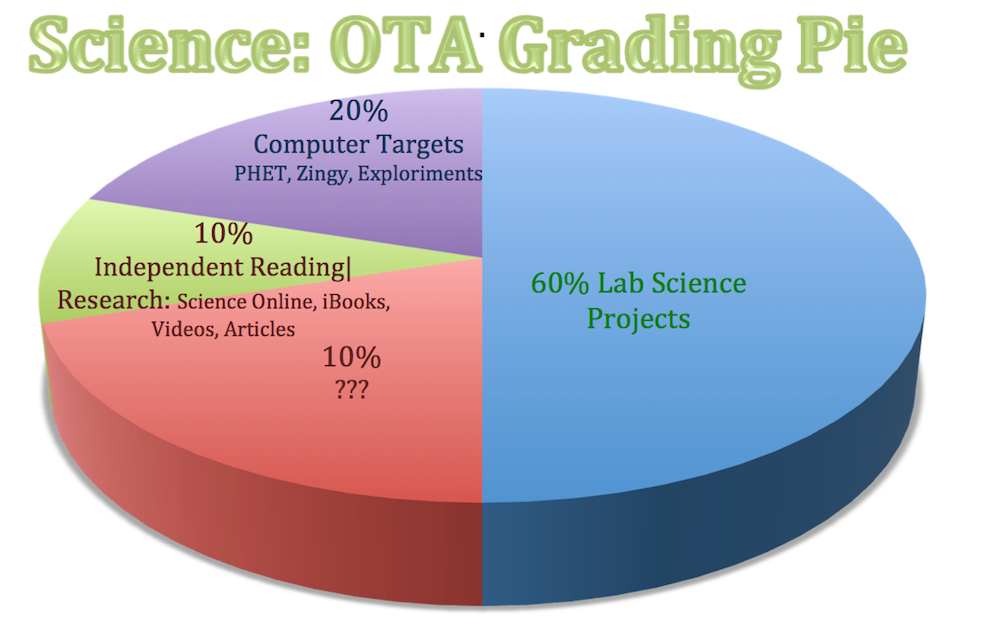
DRAFT 8th science grading pie-independent reading

Draft Pie–Add 20% : Matter-Energy Review 7th Grade Atomic Theory + Lab Projects Electro-Magnetic Energy with Extensions: Electronics, Measuring/Math, Life-on-Earth Connections

Pass a Science Independent Reading Pie Exam on Chapter 9 from
FUNDAMENTALS OF PHYSICAL GEOGRAPHY (2nd Edit)

via Chapter 9: Introduction to the Biosphere.

Phytoplankton (Plant- Wanderers) – Wikipedia

Phytoplankton

Diatoms are one of the most common types of phytoplankton.

Phytoplankton are the autotrophic components of the plankton community and a key factor of oceans, seas and freshwater basins ecosystems. The name comes from the Greek words φυτόν (phyton), meaning “plant“, and πλαγκτός (planktos), meaning “wanderer” or “drifter”.[1] Most phytoplankton are too small to be individually seen with the unaided eye. However, when present in high enough numbers, they may appear as a green discoloration of the water due to the presence of chlorophyll within their cells (although the actual color may vary with the species of phytoplankton present due to varying levels of chlorophyll or the presence of accessory pigments such asphycobiliproteins, xanthophylls, etc.).

via Phytoplankton – Wikipedia, the free encyclopedia.

Independent Reading|Research Project • Geography : Physical Geography

What is physical Geography?
Physical Geography is a sub-discipline of two much larger fields of study – Geography and Earth Sciences. The main purpose of Physical Geography is to explain the spatial characteristics of the various natural phenomena associated with the Earth’s hydrosphere, biosphere, atmosphere, and lithosphere.

Geography Chapters

via Geography : Physical Geography.

Swimming Through Seven Seas – Declining Biodiversity

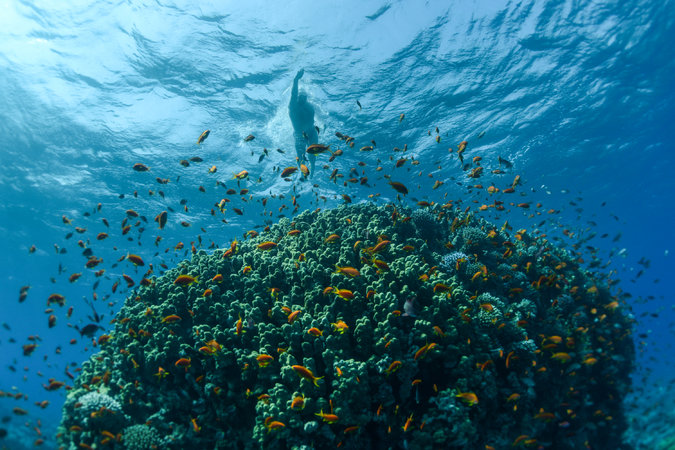
Red Sea Marine Preserve

CAPE TOWN — YOU get a good feel for the health of the oceans when you stick your head in them for four weeks. This summer, I swam long distances in the Seven Seas: the Mediterranean, Adriatic, Aegean, Black, Red, Arabian and North Seas. The longest swim was 37 miles and took me two days.

The swims were intended to draw attention to the health of the oceans. But I seriously underestimated the urgency of the issue I was swimming for. As the United Nations Patron of the Oceans, I have given many speeches stressing the need to protect our environment for the sake of our children and grandchildren. I now realize it’s not about our children. It’s about us. And the situation is much worse than I thought.

I was shocked by what I saw in the seas, and by what I didn’t see.

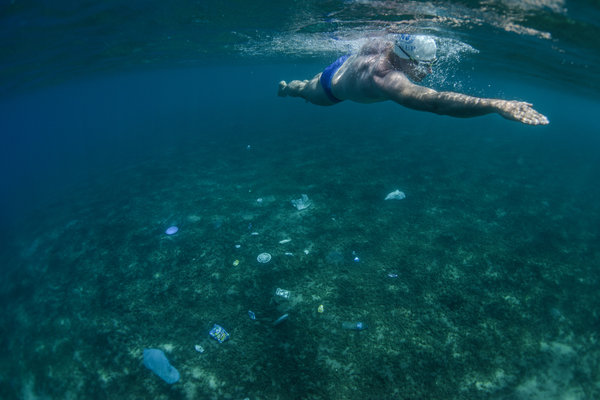
I saw no sharks, no whales, no dolphins. I saw no fish longer than 11 inches. The larger ones had all been fished out.Pollution Outside Red Sea Preserve

When I swam in the Aegean, the sea floor was covered with litter; I saw tires and plastic bags, bottles, cans, shoes and clothing.


via Swimming Through Garbage – NYTimes.com.

Declining Biodiversity • Historical photographs expose decline in coastal fisheries, new Scripps study finds

Published: Tuesday, February 17, 2009 – 15:15 in Earth & Climate

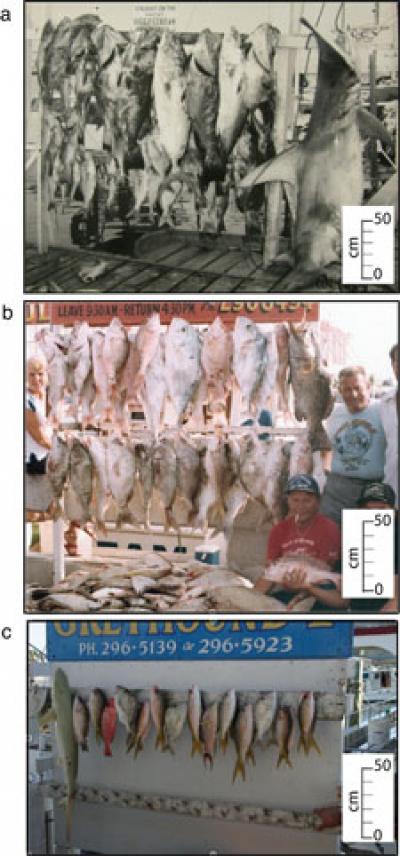
Decline in Fish Size over 3 generations

Loren McClenachan, Scripps Institution of Oceanography, UC San Diego

A unique study by a scientist at Scripps Institution of Oceanography at UC San Diego has provided fresh evidence of fishing’s impact on marine ecosystems. Scripps Oceanography graduate student researcher Loren McClenachan accessed archival photographs spanning more than five decades to analyze and calculate a drastic decline of so-called “trophy fish” caught around coral reefs surrounding Key West, Florida. In a paper published online in January and printed in an upcoming issue of the journal Conservation Biology, McClenachan describes a stark 88 percent decline in the estimated weight of large predatory fish imaged in black-and-white 1950s sport fishing photos compared to the relatively diminutive catches photographed in modern pictures. In a companion paper being published in the Endangered Species Research journal, McClenachan employs similar methods to document the decline of the globally endangered goliath grouper fish.

“These results provide evidence of major changes over the last half century and a window into an earlier, less disturbed fish community…” McClenachan said in the Conservation Biology paper.

McClenachan’s studies are part of an emerging field called historical marine ecology, in which scientists study photographs, archives, news accounts and other records to help understand changes in the ocean ecosystem over time and establish baselines for future ecosystem restoration.

via Historical photographs expose decline in Florida’s reef fish, new Scripps study finds | e! Science News.

Biodiversity Project 3 • La Jolla Shores Species Classification (Taxonomy)

8th Graders–Someone has to know the names of the animals! to monitor biodiversity and the health of the local ecosystem…

To Earn Credit for Biodiversity Project 3:
Use Guide Books and then Wikipedia to classify each of the Species you Identified in Biodiversity Project 1.

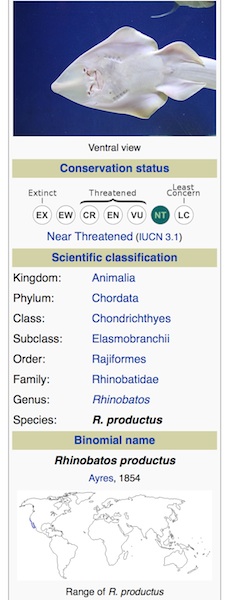
Here, is an example, using the Shovel Nosed Guitarfish

Shovel Nosed Guitar Fish-Classifcation Wikipedia