Geology of Dike Rock Tide Pools (North of Scripps Pier)
“This tidepool area is interesting for several reasons. First, the geology is unique. Most of the rocks in the coastal areas of Southern California represent ancient beach deposits and are largely sandstones and siltstones. The layering is obvious in the cliffs on either side of the tide pool. These rocks are about 40 to 50 million years old.
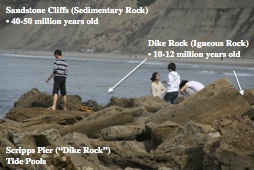
“But if you look carefully at the main rock bench that extends out into the ocean and forms the foundation for the tide pools, you’ll see that it is not the same rock that makes up the cliffs . It is darker and harder, and looks similar to the lava rock common on volcanic islands. This vertical outcrop, or “Dike,” was formed from hot, molten rockthat forced its way up through a crack in the layered beach rocks of the cliffs about 10 to 12 millions years ago (Miocene Epoch). This geologic feature is called a dike, hence the name “Dike Rock,” one of the most prominent features of these tide pools.”
What are the Three Types of Rock and How is Each Created (Rock Cycle)?
-

- Igneous
-
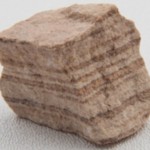
- Sedimentary
-

- Metamorphic
Igneous (from Latin igneus: “fire”): rocks formed from lava or magma (underground molten rock) Continue reading