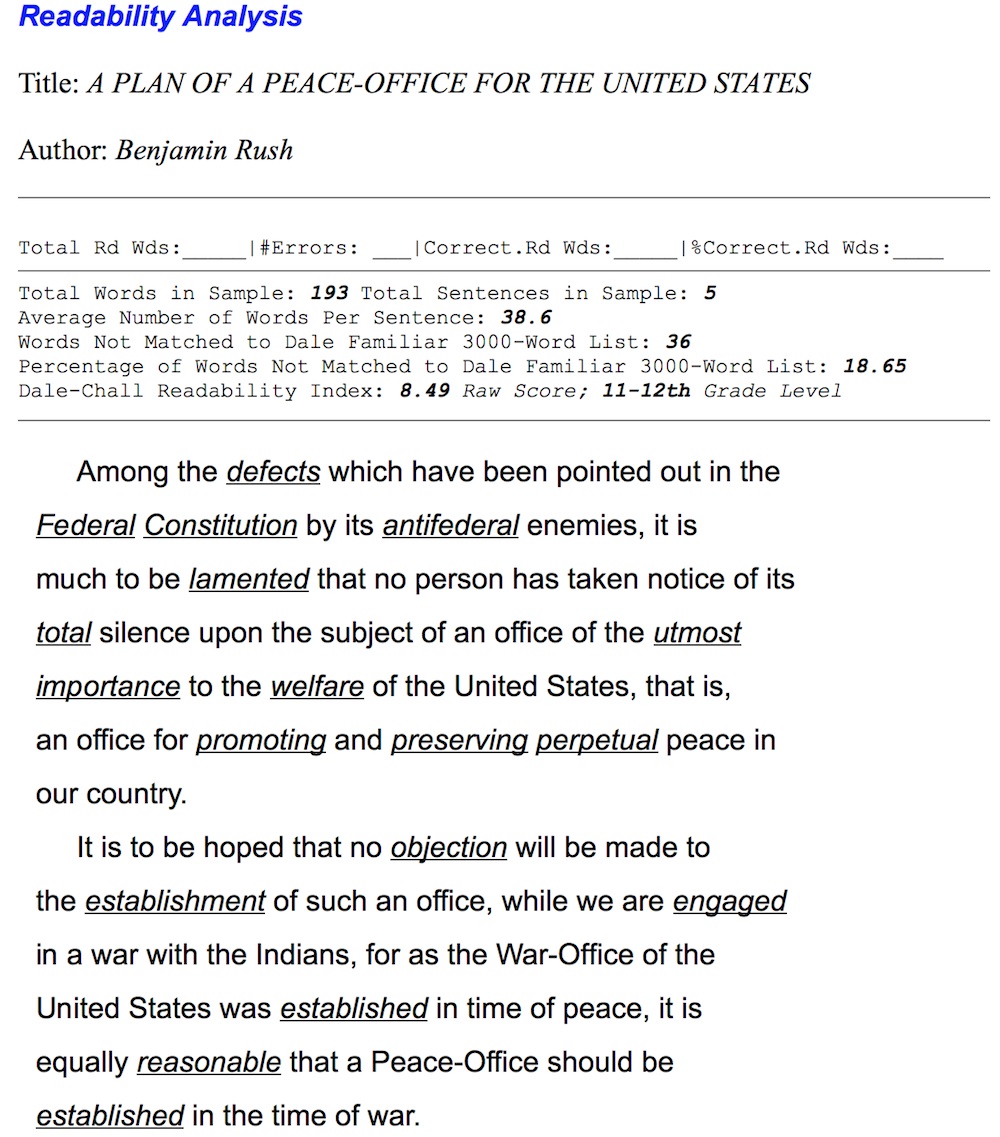
“Talk Back to the Books“: Highlight, Underline, Take Notes— Analyze each article by making a Slash/Recall Diagram or Mind Map or Outline —
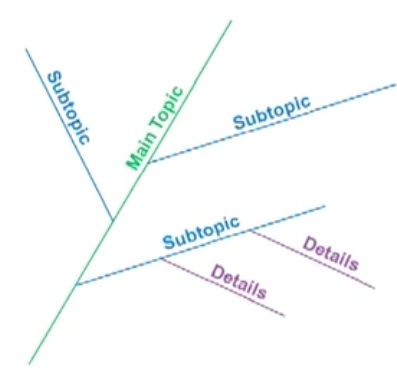
Level 1: Make a Slash-Recall Diagram as You Read
Level 4 is College-Ready Reading. Your Job is to Read and Understand Every Article:
- Level 1 Reading: Analytic: Break article down into main arguments & evidence;
- Level 2 Reading: Synthetic: Put arguments back together in your own words;
- Level 3 Reading: Critical: Weigh them up, critique them for evidence & consistency;
- Level 4 Reading: Syn-Topical: come up with your own conclusion/s or opinion/s on School Uniforms based on all the arguments and evidence you’ve encountered …
All that’s left then is to use that new opinion to inform your actions in life….If you’re starting a school, if you’re a teacher or a student, how will these articles change your behavior? if you’re wise you might test your conclusions against experience* (link to Empiricism post) before you set it in stone.

Downloadable PDFs for Seminar (5 Texts):
(run these through Dale Chall 1 side with underlined)
How Strictly Should a School Uniform Policy Be Enforced?
- Strict uniform policies a ‘monumental waste of time’
- Can Schools be too strict on uniform?
- Do strict behaviour policies at academies really make for happy schools?
Benefits of Uniforms: Do They Improve Academic Performance?
OTA Uniform Policy Links
Web Links of Original Articles
(Great for the Comments Section–what do the people say?)
- Do strict behaviour policies at academies really make for happy schools?
- Strict Uniform Policies A ‘Monumental Waste of Time’
- Can Schools Be Too Strict on Uniform? (Teachers View)
- No Uniform Solution-Uniforms Make Kids Safer Not Smarter
How About Adult Dress Codes? To see the Dress Code at a downtown San Diego Night Club…. Continue reading