Syntopical Unit (Level 4 Reading: Many Sources on One Topic) • School Uniform Policies

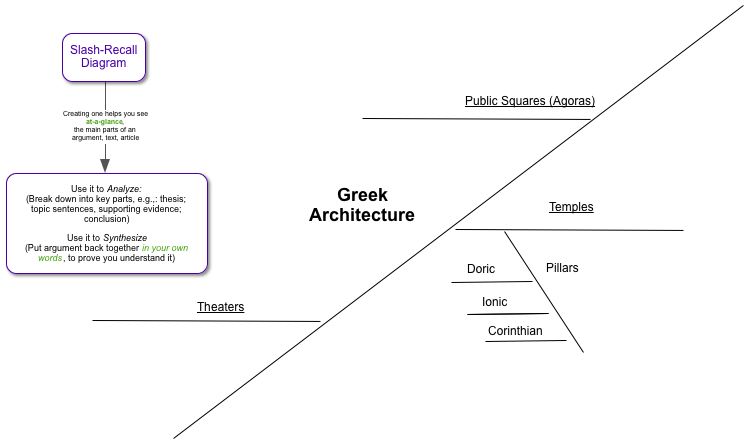
“Talk Back to the Books“: Highlight, Underline, Take Notes— Analyze each article by making a Slash/Recall Diagram or Mind Map or Outline —
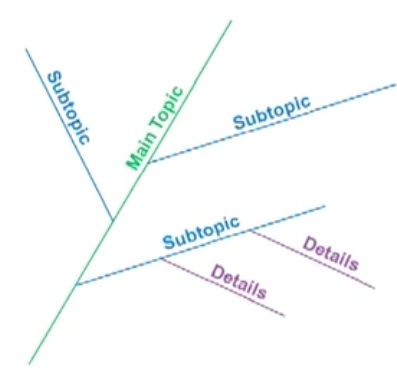
Make a Slash-Recall Diagram as You Read

Level 1: Make a Slash-Recall Diagram as You Read

Level 4 is College-Ready Reading. Your Job is to Read and Understand Every Article:

  • Level 1 Reading: Analytic: Break article down into main arguments & evidence;
  • Level 2 Reading: Synthetic: Put arguments back together in your own words;
  • Level 3 Reading: Critical: Weigh them up, critique them for evidence & consistency;
  • Level 4 Reading: Syn-Topical: come up with your own conclusion/s or opinion/s on School Uniforms based on all the arguments and evidence you’ve encountered …
    All that’s left then is to use that new opinion to inform your actions in life….If you’re starting a school, if you’re a teacher or a student, how will these articles change your behavior?  if you’re wise you might test your conclusions against experience* (link to Empiricism post) before you set it in stone.
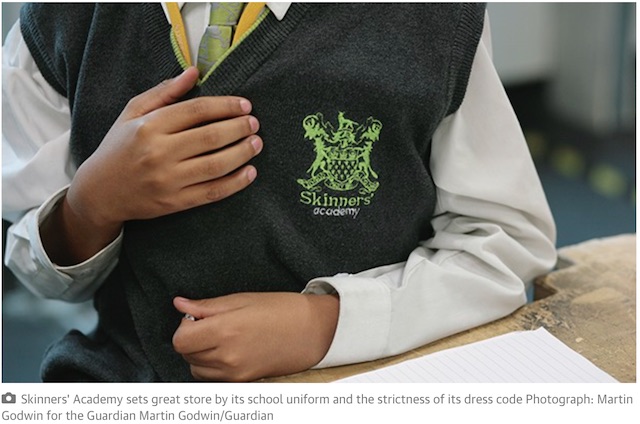
Strict Uniform Policy at Academy Strict Uniform Policies Waste of Time

Downloadable PDFs for Seminar (5 Texts):
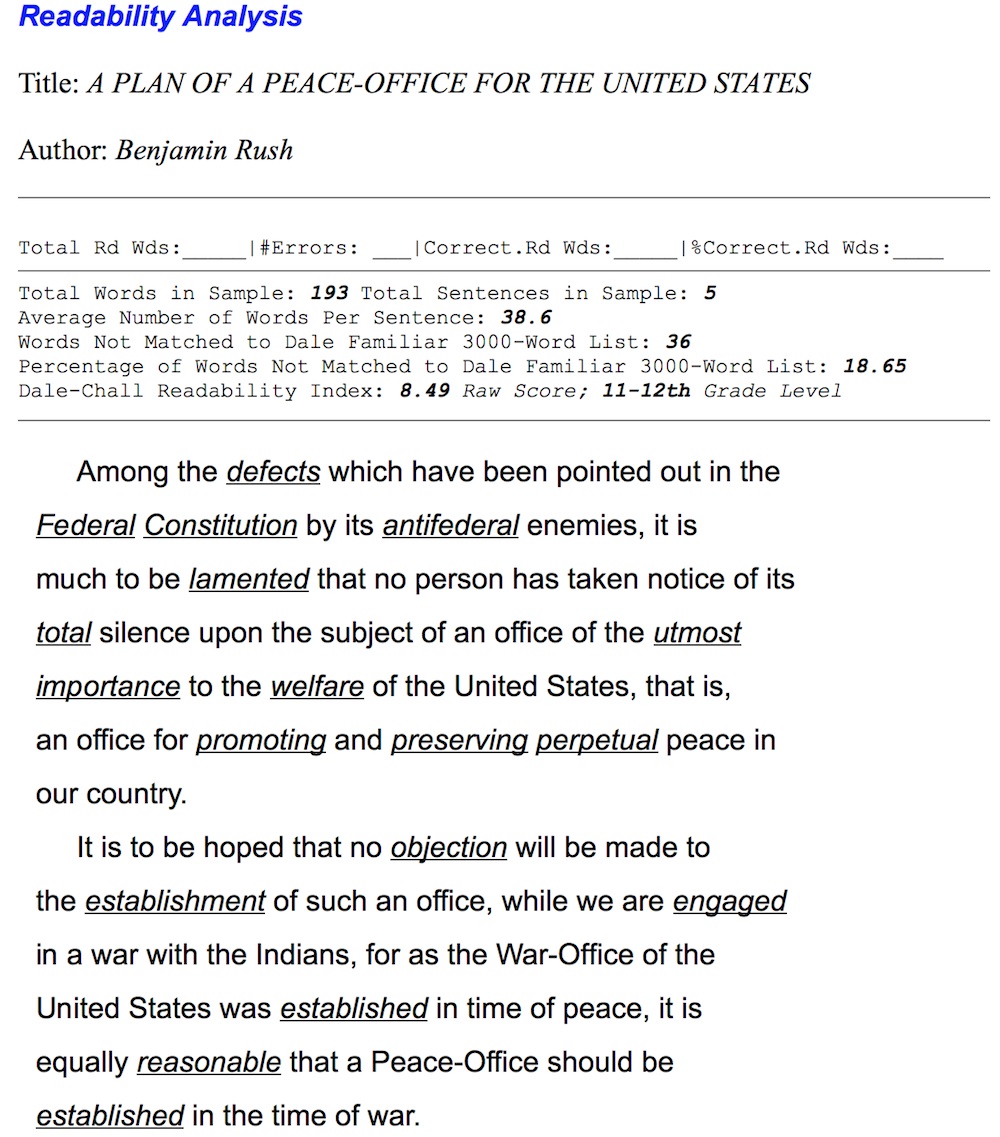
(run these through Dale Chall 1 side with underlined)

How Strictly Should a School Uniform Policy Be Enforced?

Benefits of Uniforms: Do They Improve Academic Performance?

OTA Uniform Policy Links

Web Links of Original Articles
(Great for the Comments Section–what do the people say?)

How About Adult Dress Codes? To see the Dress Code at a downtown San Diego Night Club…. Continue reading →
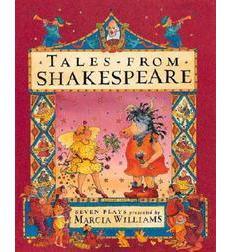
Syntopical Unit: Text 1: Hamlet (Tales From Shakespeare-Marcia Williams) • Text 2: Shakespeare in the Bush

Shakespeare in the Bush

Picks from the Past: August–September 1966

An American anthropologist set out to study the Tiv of West Africa and was taught the true meaning of Hamlet.

By Laura Bohannan

Hamlet
Just before I left Oxford for the Tiv in West Africa, conversation turned to the season at Stratford. “You Americans,” said a friend, “often have difficulty with Shakespeare. He was, after all, a very English poet, and one can easily misinterpret the universal by misunderstanding the particular.”

I protested that human nature is pretty much the same the whole world over; at least the general plot and motivation of the greater tragedies would always be clear—everywhere—although some details of custom might have to be explained and difficulties of translation might produce other slight changes. To end an argument we could not conclude, my friend gave me a copy of Hamlet to study in the African bush: it would, he hoped, lift my mind above its primitive surroundings, and possibly I might, by prolonged meditation, achieve the grace of correct interpretation.

It was my second field trip to that African tribe, and I thought myself ready to live in one of its remote sections—an area difficult to cross even on foot. Continue reading →

Question the Author (QtA) Strategy for Seminar Students

Question the Author

Questioning the author is a strategy that engages students actively with a text. Rather than reading and taking information from a text, the QtA strategy encourages students to ask questions of the author and the text. Through forming their questions, students learn more about the text. Students learn to ask questions such as: What is the author’s message? Does the author explain this clearly? How does this connect to what the author said earlier? Click to see Example and a Question the Author GRID for students to fill in.

Example two: using QtA with Social Studies

Why use question the author?

  • It engages students in the reading and helps to solidify their understanding of a text.
  • It teaches students to form questions to the author while reading.
  • It teaches students to critique the author’s writing.

How to use question the author

Beck et al. (1997) identify specific steps you should follow during a question the author lesson. This strategy is best suited for nonfiction texts.

  1. Select a passage that is both interesting and can spur a good conversation.
  2. Decide appropriate stopping points where you think your students need to obtain a greater understanding.
  3. Create queries or questions for each stopping point.
    1. What is the author trying to say?
    2. Why do you think the author used the following phrase?
    3. Does this make sense to you?
  4. Display a short passage to your students along with one or two queries you have designed ahead of time.
  5. Model for your students how to think through the queries.
  6. Ask students to read and work through the queries you have prepared for their readings.

Read more (96K PDF)* about question the author in this article from the Florida Center for Reading Research.

via Question the Author | Reading Rockets.

What is a Gentleman? – Charles Dickens’ Great Expectations

The word ‘gentleman’ continues to sound throughout the novel like a knell: what precisely does Pip mean by it, and how did he envisage this phenomenon?

Today, it’s a concept without form or focus, suggesting little more than a male who stands up for a lady in a quaintly old-fashioned way. We find the idea of bettering oneself by refining one’s manners and culture embarrassing and even snobbish: those we admire, like Jamie Oliver, make a virtue of not concealing their class origins beneath any sort of veneer.

In the mid 19th century, however, being a gentleman meant much more,

* Continue reading →

Great(est) American Novel (Verse Novel, Epic Poem)? John Brown’s Body

Books Are Not Men...Stephen Vincent Benet

Steven Vincent Benet

Books are not men.


Excerpts from the Best American novel. Period.


=========

Excerpts from 

John Brown’s Body  by  Stephen Vincent Benet

Army of the Potomac, advancing army,
Alloy of a dozen disparate, alien states,
City-boy, farm-hand, bounty-man, first volunteer,
Old regular, drafted recruit, paid substitute,
Men who fought through the war from First Bull Run,
And other men, nowise different in look or purpose
Whom the first men greated at first with a ribald cry
“Here they come! Two hundred dollars and a ka-ow!”
Rocks from New England and hickory-chunks from the West,
Bowery boy and clogging Irish adventurer,
Germans who learnt their English under the shells
Or didn’t have time to learn it before they died.
Confused, huge weapon, forged from such different metals,
Misused by unlucky swordsmen till you were blunt
And then reforged with anguish and bloody sweat
To be blunted again by one more unlucky captain
Against the millstone of Lee.

.                                                 Good Stallion,
Ridden and ridden against a hurdle of thorns
By uncertain rider after uncertain rider.
Continue reading →