ST stands for Spatial Temporal….
- TED Talk Video on ST Math
- Research Results for ST Math
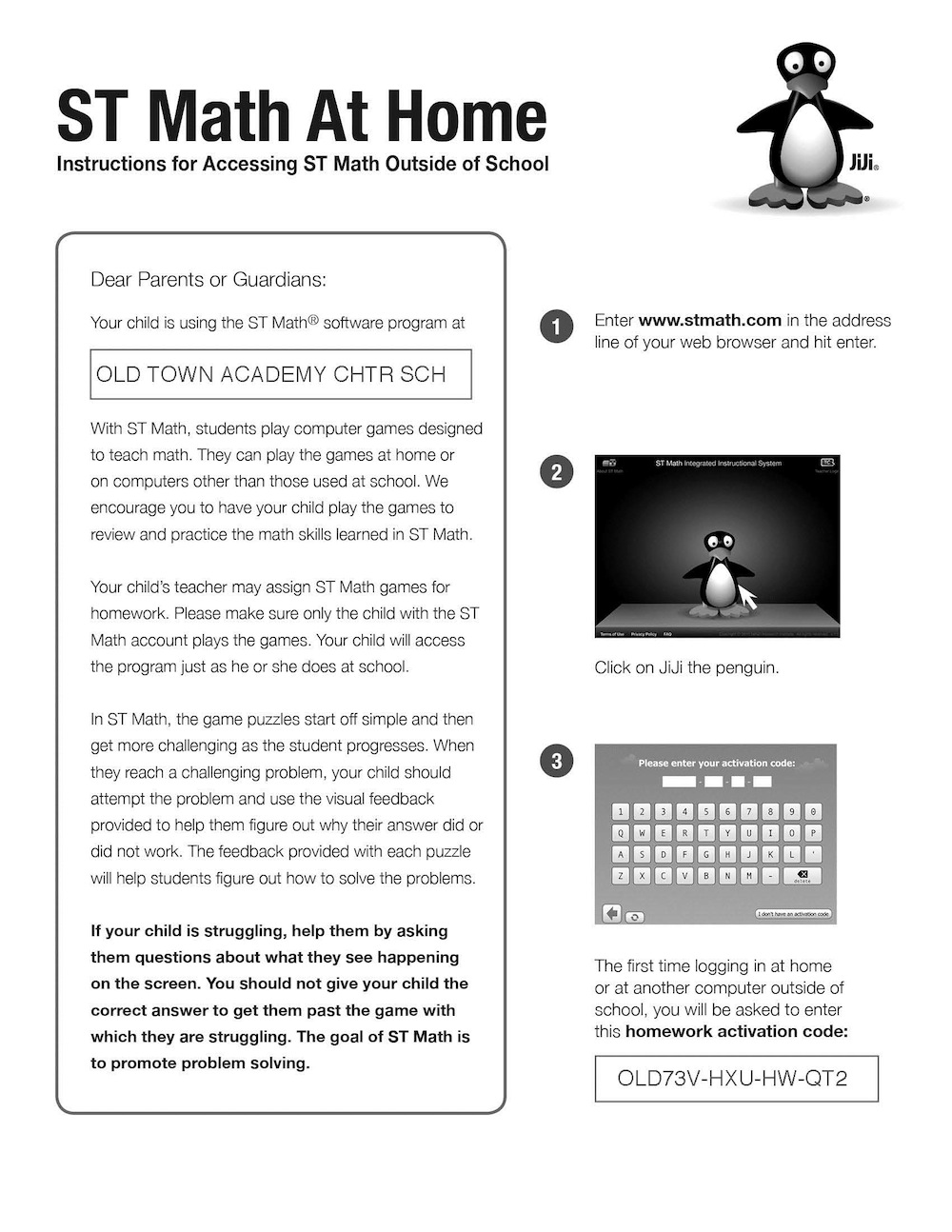
Access Code for Tablets:

Access Code for Computers:
* * *

ST stands for Spatial Temporal….
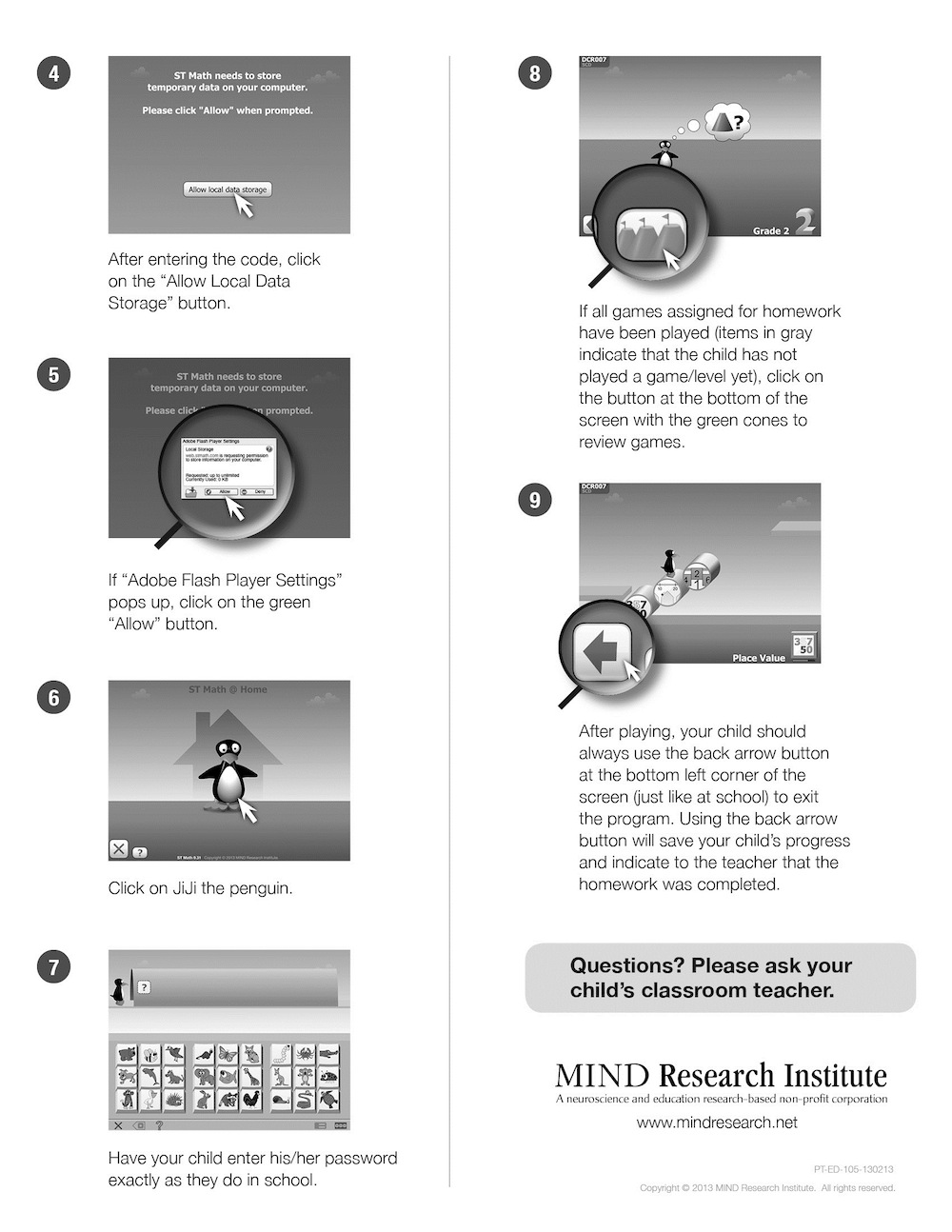
Access Code for Tablets:
Access Code for Computers:
* * *
Ideal Settings for ThatQuiz Tests. (vs defaults, see below jump*)
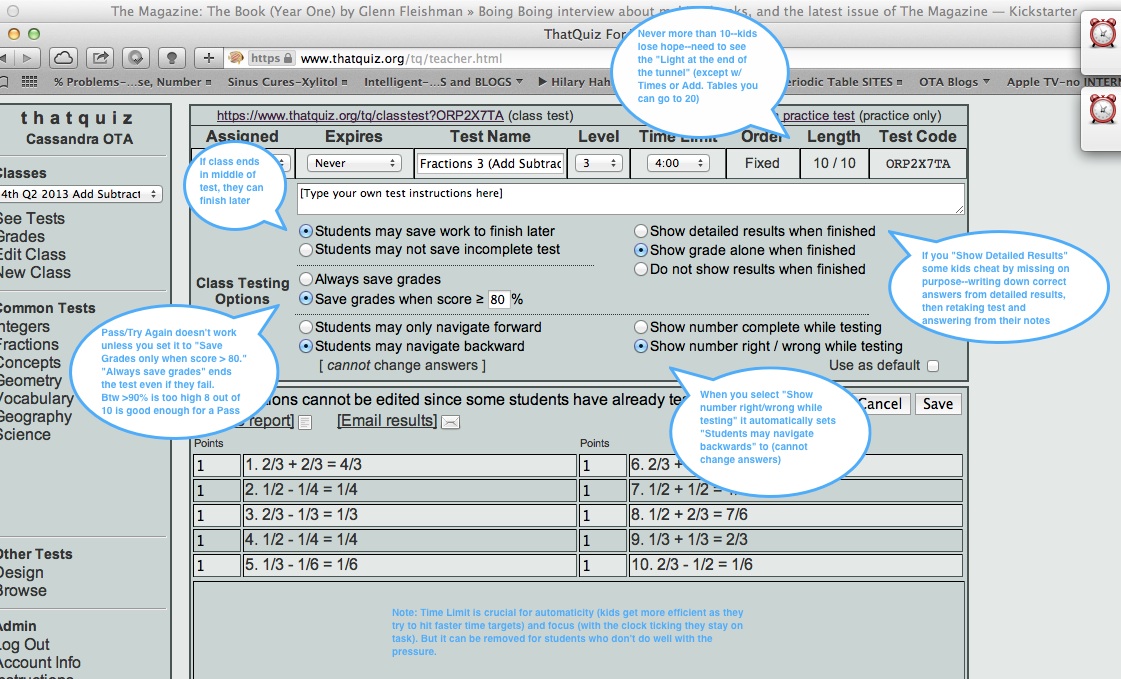
How do you decide how to set TIME LIMITS? Play the Quiz through and figure out how your average time/problem, then add more time to take into account students age.
More more on time limits and time per problem conversions, see Post:
In order for kids to take computer learning TargetScores seriously, we have to give computer Project Tree a slice of the grading pie.
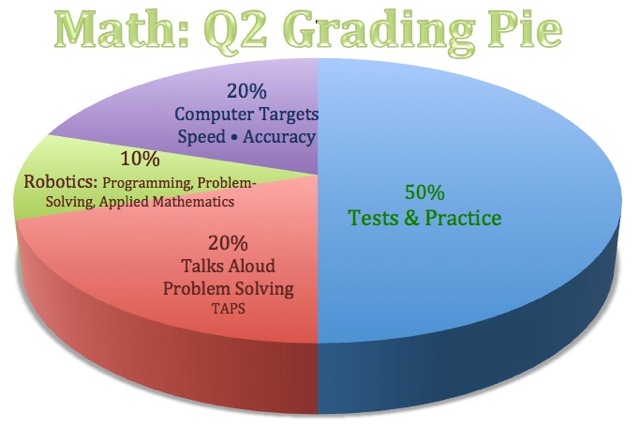
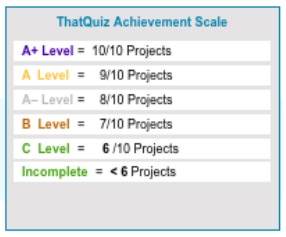
… and an (achievement based) Grading Ladder so they can grade themselves as they progress up the Project Tree.
… and we need to EXPLAIN to them WHY we’re asking them to do ThatQuiz (the Talent Code author calls this “Ignition“–motivate learners first, get them to believe in your method, before you ask them to start the hard WORK.
Despite all the emphasis in the news about the need for computer software and programming skills, the most important qualities employers seek are basic teamwork, problem-solving and the ability to plan and prioritize.
Here are the 10 skills employers say they seek, in order of importance:
The good news for grads: No matter what you have studied in school, whether anthropology or French or computer science, you will have had to learn the top five skills on the list. The trick is to demonstrate that you have those skills through your cover letter, résumé and interview. Think about class projects where you have been a team member or leader and jobs where you have had to plan and prioritize. Describe those skills specifically in your résumé and cover letter.
via The 10 Skills Employers Most Want In 20-Something Employees – Forbes.
(“Set up for streaming” may not have been selected on this video when it was exported (created by screen capture in QuickTime–check on that)
While no iPad stylus is perfect (how much fun is drawing on glass using a pen, really?), we’ve thrown together our favorites and given each a run with Paper, our new go-to scribbling app, to present you with the best stylus for iPad, once and for all. Check out the Verge Scores beneath each stylus, and then refer to the Wrap Up section at the bottom of the page to see complete Score breakdowns
via The best stylus for iPad: we review the hits and misses | The Verge.
renewing the Wanderjahre
The original Tour de France had nothing to do with bicycles: it was a medieval guild system which still has a residual existence today: it directed young craftsmen-in-training to travel from place to place in France, practicing their trade and learning the different ways it was done in different parts of the country. The same practice in Germany is called the Wanderjahre. You would think that this is where the English word “journeyman” comes from, but that’s probably not the case.
The proposal I’m about to make runs against the grain of modern and American notions of freedom and independence, but for that very reason, among others, I’m going to make it: I think this practice should be brought back, reinvigorated, and extended to a wide range of professions. In place of the current residency model, which I suppose is the closest thing any American profession has to a Wanderjahre, we should ask our newly-minted physicians to spend a year working in a series of widely different situations: a hospital in inner-city Detroit, a tiny clinic in rural Mississippi, a gleaming health center in the suburbs of San Diego.
Similarly, lawyers should have to spend a few months in a public defender’s office in Chicago, followed by a few more in a K Street lobbying firm in D.C. Academics who’ve just received their Ph.D. should spend a semester teaching at a community college, followed by one at a private university. Super-smart programmers from Stanford would get to pursue their own VC-funded startup — but only after they had spent some time writing code for J. C. Penney’s website and the payroll system of a bank in Charlotte.
In short, the guild system needs renewal and expansion. If it’s handled well, some people will experience a calling to work they never would have thought they could stand — until they were forced to do it. Perhaps some rough patches in uncomfortable situations will make them more thankful for the permanent positions they end up taking; and in any case will give many of them more empathy for their colleagues who spend large chunks (or the whole) of their careers in those “uncomfortable situations.”
via Text Patterns.
Why Tough Teachers Get Good Results
By JOANNE LIPMAN
I had a teacher once who called his students “idiots” when they screwed up. He was our orchestra conductor, a fierce Ukrainian immigrant named Jerry Kupchynsky, and when someone played out of tune, he would stop the entire group to yell, “Who eez deaf in first violins!?” He made us rehearse until our fingers almost bled. He corrected our wayward hands and arms by poking at us with a pencil.
Today, he’d be fired. But when he died a few years ago, he was celebrated: Forty years’ worth of former students and colleagues flew back to my New Jersey hometown from every corner of the country, old instruments in tow, to play a concert in his memory. I was among them, toting my long-neglected viola. When the curtain rose on our concert that day, we had formed a symphony orchestra the size of the New York Philharmonic.
I was stunned by the outpouring for the gruff old teacher we knew as Mr. K. But I was equally struck by the success of his former students. Some were musicians, but most had distinguished themselves in other fields, like law, academia and medicine. Research tells us that there is a positive correlation between music education and academic achievement.
via ‘Strings Attached’ Co-Author Offers Solutions for Education – WSJ.com.
“Share this video” link:
=======
Embed code with “Enable Privacy Enhanced mode” ON and “Show suggested videos when done” OFF pasted into TEXT tab window of wordpress.
Improve at chess – 10 “secret” obstacles
If you are serious about your chess improvement, you should know the top 10 reasons for stagnation:
1) Too much play
Playing chess – practice – is very important for improvement. When you play chess (over the board, at tournaments), you put into practice what you have learned, you use your brain to think chess, you are in the testing environment, you test your accumulated knowledge and skill against another person.
However, too much play and too little study holds you back. You can repeat the same mistakes over and over. You will tend to follow your own old patterns and not have time to develop a different, correct thinking process, and to learn proper strategy and new ideas.
In this case, you should take a long break from playing and concentrate only on study for several months. You will make a significant improvement.
2) Incomplete knowledge
It’s so simple: an incomplete study of theory leaves you with weaknesses and a chain is only as strong as its weakest link.
There is no shortcut; a necessary task for serious improvement is to have COMPLETE knowledge of chess theory, of chess strategy. Then, you will know what TO DO in any situation on the chess board. It makes no sense to re-invent the wheel when there are full blueprints available.
3) Too much training
The idea is to optimize your time for study.
Too much information on the same subject becomes superfluous.
Too many exercises of the same kind will only hold you back.
Too much theory without enough exercises or too many exercises without essential theory is also counterproductive.
Too much of anything may hold back your creativity and diminish your joy for the game.
You do not need Quantity but Quality! Save yourself time and study and train only with the best materials, not with ALL materials.
4) Disorganized study
Disorganized study habits are another reason for stagnation for even the most serious learners.
via How to improve at chess. Top 10 reasons for stagnation..