Independent Reading|Research Project • Geography : Physical Geography

What is physical Geography?
Physical Geography is a sub-discipline of two much larger fields of study – Geography and Earth Sciences. The main purpose of Physical Geography is to explain the spatial characteristics of the various natural phenomena associated with the Earth’s hydrosphere, biosphere, atmosphere, and lithosphere.

Geography Chapters

via Geography : Physical Geography.

Swimming Through Seven Seas – Declining Biodiversity

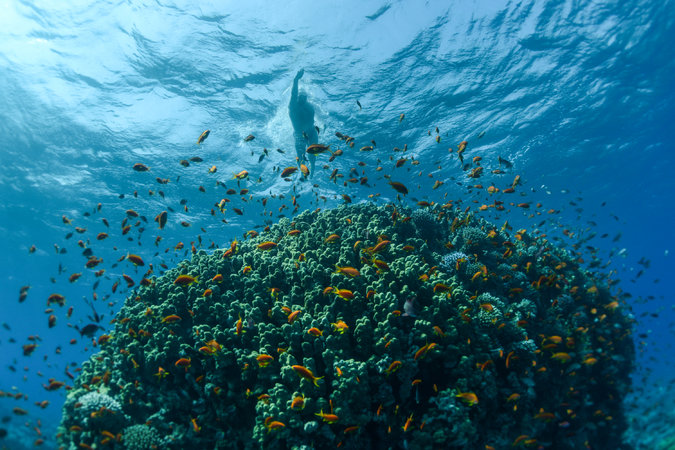
Red Sea Marine Preserve

CAPE TOWN — YOU get a good feel for the health of the oceans when you stick your head in them for four weeks. This summer, I swam long distances in the Seven Seas: the Mediterranean, Adriatic, Aegean, Black, Red, Arabian and North Seas. The longest swim was 37 miles and took me two days.

The swims were intended to draw attention to the health of the oceans. But I seriously underestimated the urgency of the issue I was swimming for. As the United Nations Patron of the Oceans, I have given many speeches stressing the need to protect our environment for the sake of our children and grandchildren. I now realize it’s not about our children. It’s about us. And the situation is much worse than I thought.

I was shocked by what I saw in the seas, and by what I didn’t see.

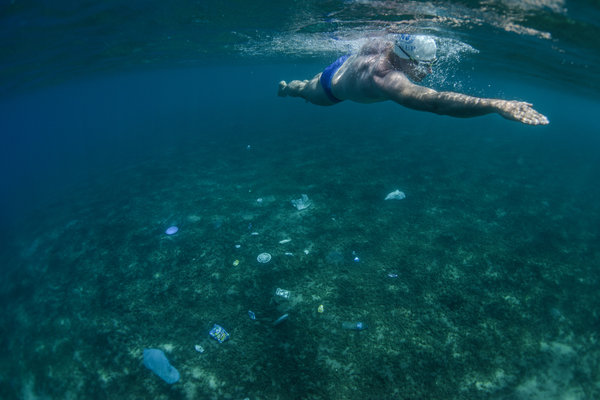
I saw no sharks, no whales, no dolphins. I saw no fish longer than 11 inches. The larger ones had all been fished out.Pollution Outside Red Sea Preserve

When I swam in the Aegean, the sea floor was covered with litter; I saw tires and plastic bags, bottles, cans, shoes and clothing.


via Swimming Through Garbage – NYTimes.com.

Declining Biodiversity • Historical photographs expose decline in coastal fisheries, new Scripps study finds

Published: Tuesday, February 17, 2009 – 15:15 in Earth & Climate

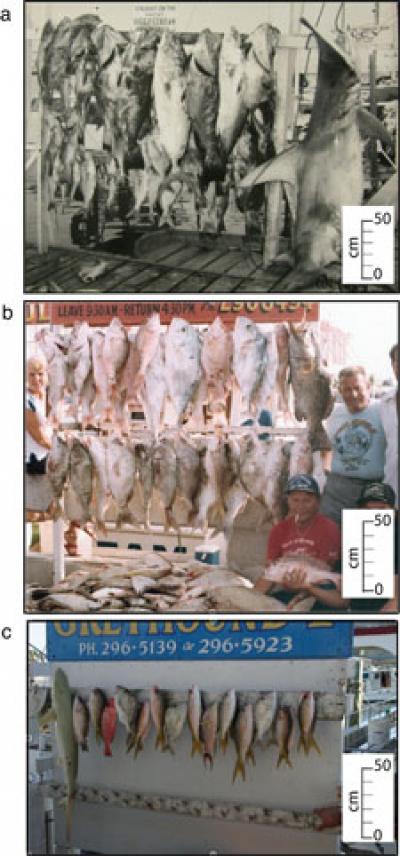
Decline in Fish Size over 3 generations

Loren McClenachan, Scripps Institution of Oceanography, UC San Diego

A unique study by a scientist at Scripps Institution of Oceanography at UC San Diego has provided fresh evidence of fishing’s impact on marine ecosystems. Scripps Oceanography graduate student researcher Loren McClenachan accessed archival photographs spanning more than five decades to analyze and calculate a drastic decline of so-called “trophy fish” caught around coral reefs surrounding Key West, Florida. In a paper published online in January and printed in an upcoming issue of the journal Conservation Biology, McClenachan describes a stark 88 percent decline in the estimated weight of large predatory fish imaged in black-and-white 1950s sport fishing photos compared to the relatively diminutive catches photographed in modern pictures. In a companion paper being published in the Endangered Species Research journal, McClenachan employs similar methods to document the decline of the globally endangered goliath grouper fish.

“These results provide evidence of major changes over the last half century and a window into an earlier, less disturbed fish community…” McClenachan said in the Conservation Biology paper.

McClenachan’s studies are part of an emerging field called historical marine ecology, in which scientists study photographs, archives, news accounts and other records to help understand changes in the ocean ecosystem over time and establish baselines for future ecosystem restoration.

via Historical photographs expose decline in Florida’s reef fish, new Scripps study finds | e! Science News.

Declining Marine Biodiversity • La Jolla Shores

AFTER 72 YEARS, THE FAMED SAN DIEGO BOTTOM SCRATCHERS CLUB
HAS CLOSED ITS DOORS.

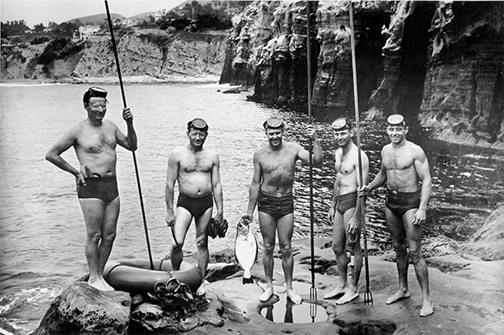
original_5_bottom_scratchers_sm.jpg (45885 bytes)
The original Bottom Scratchers—1939, La Jolla Caves Area
(R to L) Glenn Orr, Jack Corbaly, Ben Stone, Bill Batzloff and Jack Prodanovich
(enlarge)


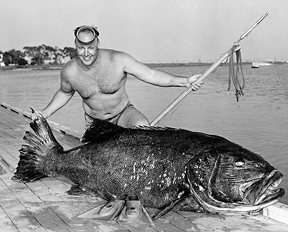
Sixty-five years ago a pair of gogglers swimming off a La Jolla beach, armed with glorified pitch forks, spotted a 500 pound “reef,” which was really a giant black seabass. By today’s standards, approaching such a prize with hand-held 5-prong spears seems comical. On the surface, the two intrepid divers settled on a plan. Jack explains, “Wally was to hit him on the right while I smacked him on the left.” The fish was deeper than anticipated and only Jack was able to jab the fish with his spear. Instantly, the three prongs that managed to penetrate were bent over at 90-degrees as the beast bolted. Jack says, “Our wives reported that the spear handle went past like a sub’s periscope, bound for Japan.”

via San Diego Bottom Scratchers Freediving Club.

Biodiversity Project 1 • La Jolla Shores Preserve

8th Graders–Someone has to know the names of the animals! to monitor biodiversity and the health of the local ecosystem…

To Earn Credit for Biodiversity Project 1: Find TWO species from each category and either 1) take a PHOTOGRAPH or 2) find a photograph of the species you observed or 3) DRAW (from memory).  * See Biodiversity Project 3: Classify your Species

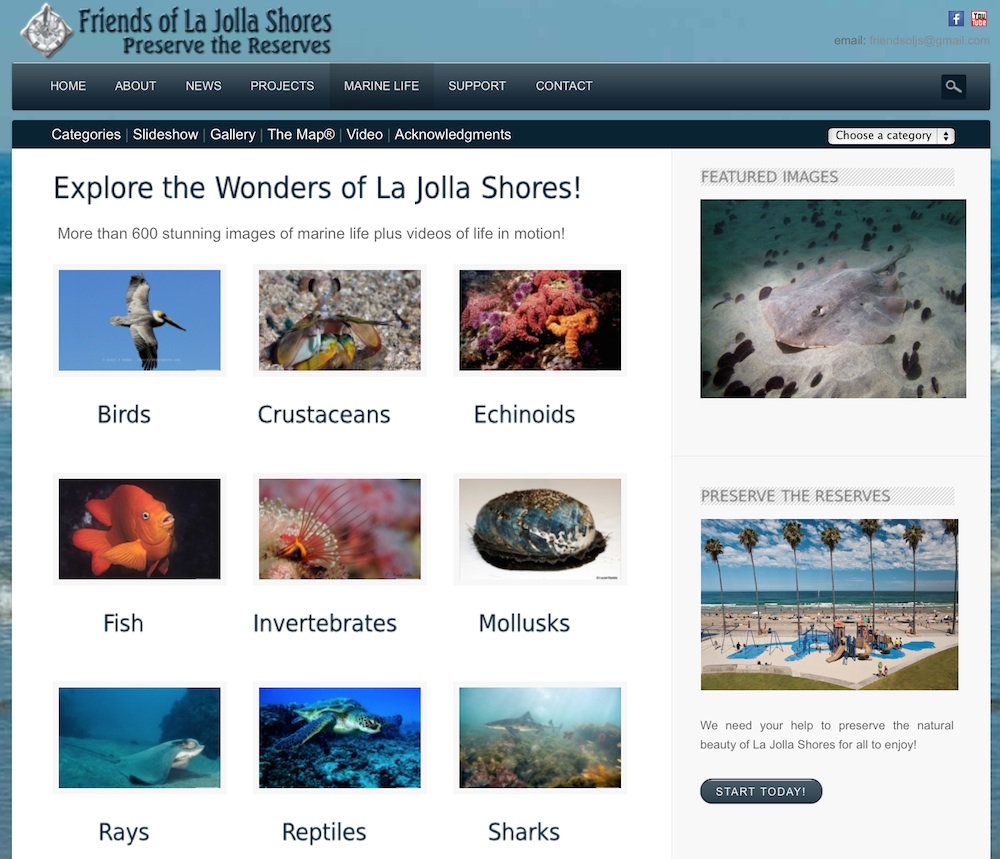
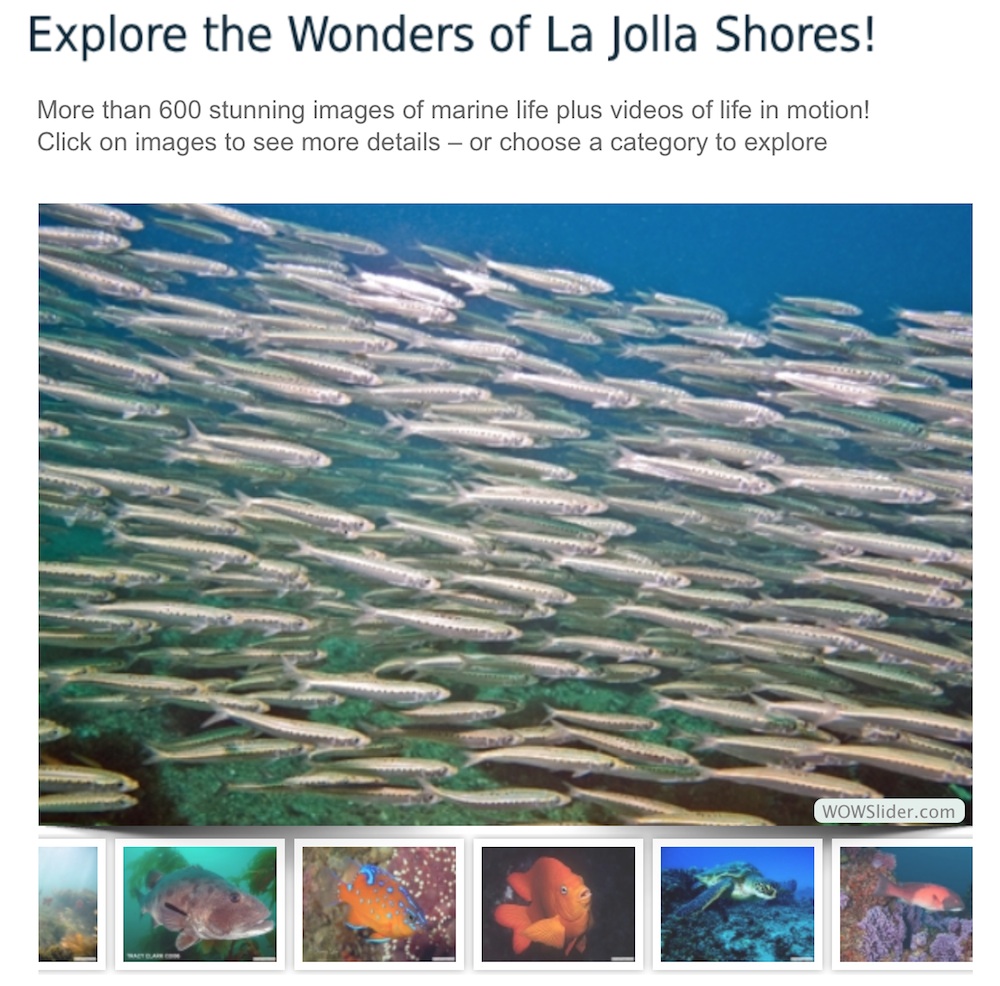
Friends of La Jolla Preserve-Marine BiodiversityFo


Biodiversity Project 3 • La Jolla Shores Species Classification (Taxonomy)

8th Graders–Someone has to know the names of the animals! to monitor biodiversity and the health of the local ecosystem…

To Earn Credit for Biodiversity Project 3:
Use Guide Books and then Wikipedia to classify each of the Species you Identified in Biodiversity Project 1.

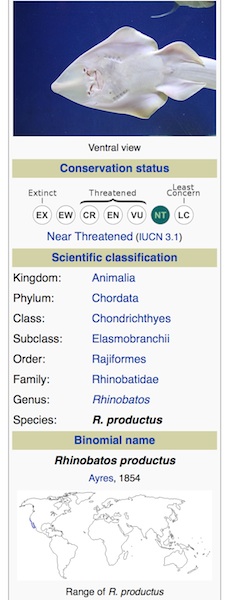
Here, is an example, using the Shovel Nosed Guitarfish

Shovel Nosed Guitar Fish-Classifcation Wikipedia

Survey Question 14: Extinctions in the Last 1000 years in your AREA? Southern California Crustacean Sand-Dwellers Suffering Localized Extinctions | OceanSpaces

Southern California Crustacean Sand-Dwellers Suffering Localized Extinctions

Two types of small beach critters — both cousins of the beloved, backyard roly-poly — are suffering localized extinctions in Southern California at an alarming rate, says a new study by UC Santa Barbara scientists. As indicator species for beach biodiversity at large, their disappearance suggests a looming threat to similar sand-dwelling animals across the state and around the world.

Continue reading →