OTA’s Finest Outdoor Ed. Program: Yosemite National Park

Twenty years from now you will be more disappointed by the things that you didn’t do than by the ones you did do. So throw off the bowlines. Sail away from the safe harbor. Catch the trade winds in your sails. Explore. Dream. Discover.
– Mark Twain
2014-05-11 17.41.40

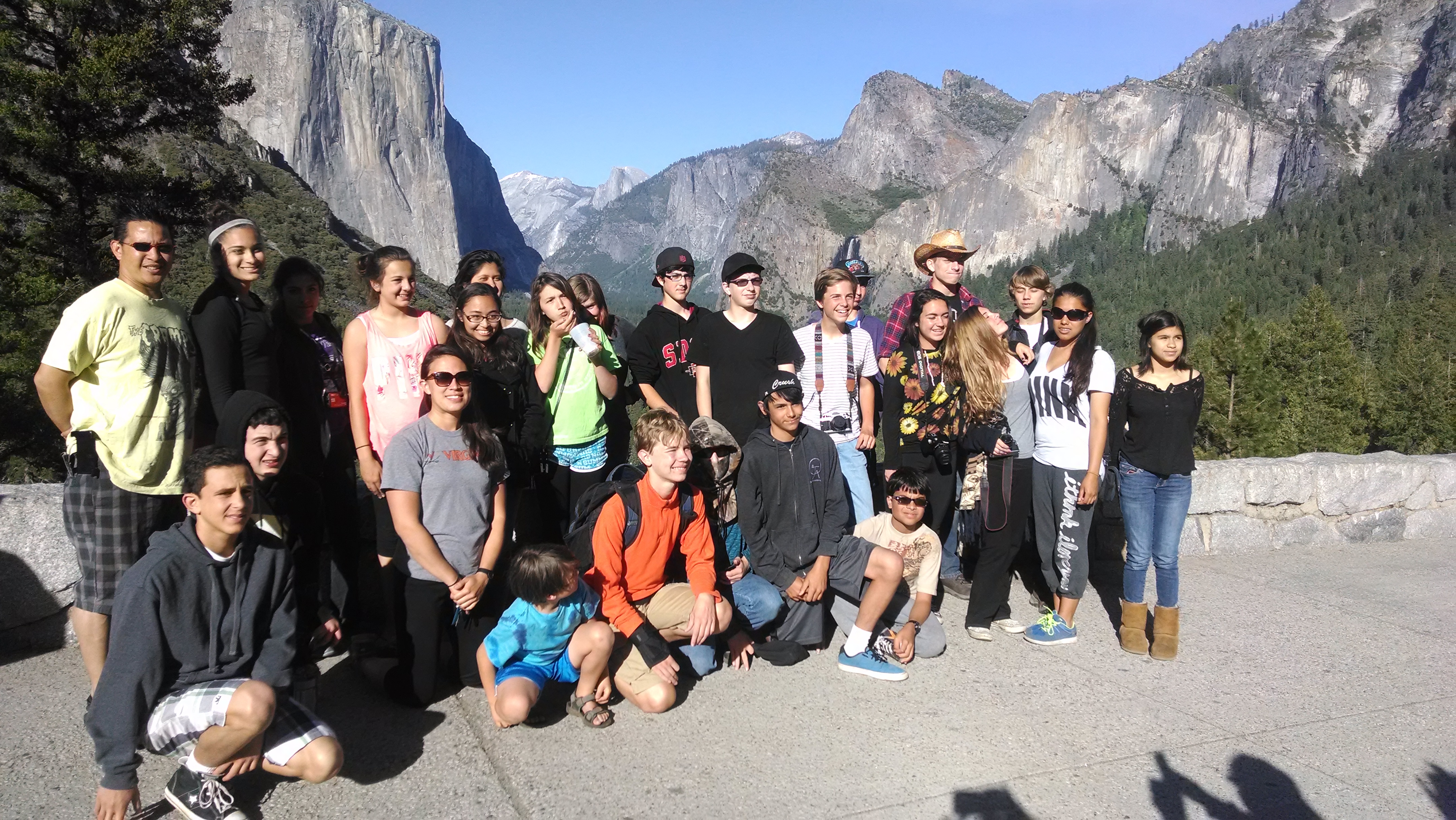
It is with great pleasure that our 8th graders are able to experience first hand one of our nation’s greatest treasures, Yosemite National Park. All throughout our carefully crated experiences, we hoped that each student would gain insight on a few things:

  • Create culinary delights with limited resources
  • Persevere through a variety of perceived physical and mental boundaries.
  • Find inspiration in the natural world through temporary art a’la Andrew Goldsworthy.
  • Gain more understanding for how and why we need to preserve our natural spaces.

Click on the link below to catch a glimpse of their incredible adventures!

http://youtu.be/OqQTaIiI5y8

Mission Trails Outdoor Ed. Experience

“Remember what Bilbo used to say: ‘It’s a dangerous business, Frodo, going out your door. You step onto the road, and if you don’t keep your feet, there’s no knowing where you might be swept off to.”” — J.R.R. Tolkien

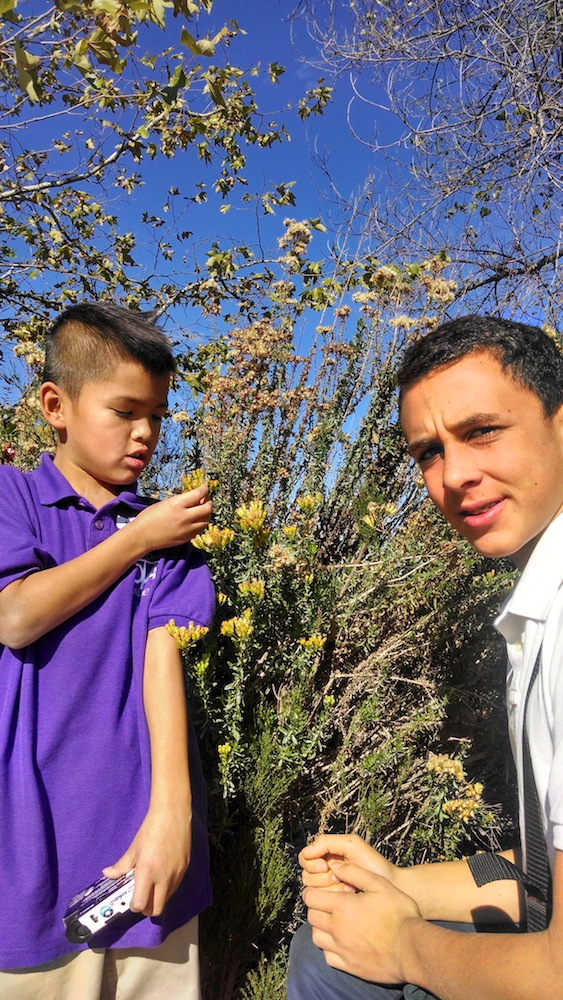
And so it was, that the 4th & 8th grade classes embarked on a small adventure to explore the Mission Trail Regional Park. Partnered with buddies from Ms. Foster’s class, the 8th graders were focused on the following Essential Questions of the Day: Where does our water come from? What are some of the species that inhabit our local San Diego River Watershed?

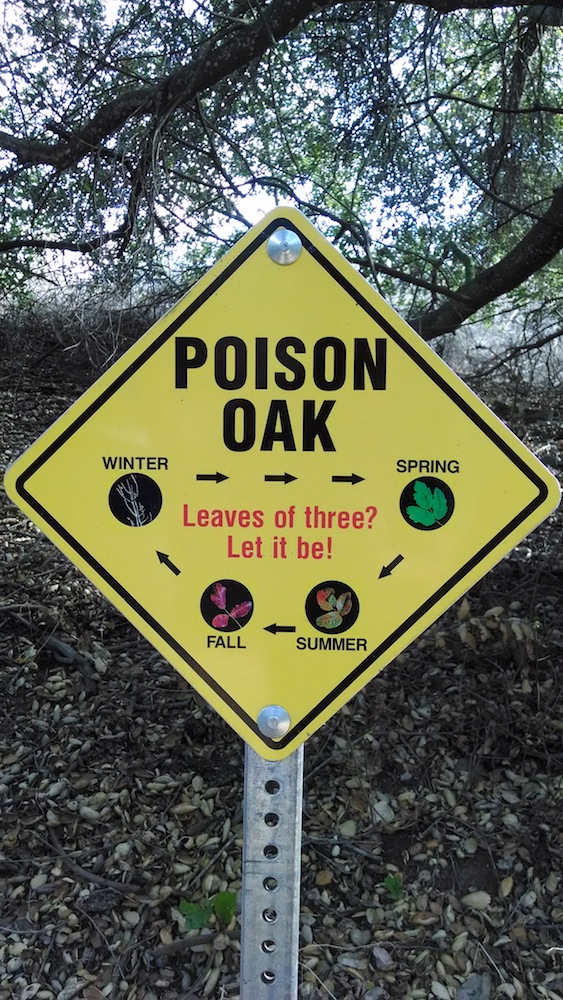
Tracing our watershed upstream from Mission Valley, the San Diego River winds its way up past Qualcomm Stadium, along the edge of La Mesa until it arrives at Mission Trails. With the guidance of 4 different rangers, our buddy groups were able to separate for a better chance to investigate and observe the flora and fauna. Among the following species that we were able to capture on film, we saw a few species of hawks, a tarantula hawk which is not a hawk at all but rather a very large flying insect, as well as evidence for some much larger mammal species such as mule deer, raccoon, cottontail rabbit, kangaroo deer, & coyote.

OTA Roboticists Kick Bot!!

10 OTA students participating in 3 teams qualified for entry to the next level of robotics competition at the Southern California FLL Championship Tournament on Sunday Dec. 2nd. Representing team Ospreys were  Ethan, Brian, RT & Matthew. Representing the first all-girls robotics team for OTA was team Major Pain consisting of Kiki, Maddy, Lupe & Zoe. Xavier & Asia competed on the last team comprised of students from their local neighborhood. In order to advance Continue reading →

8th Grade Marine Biology at La Jolla Shores

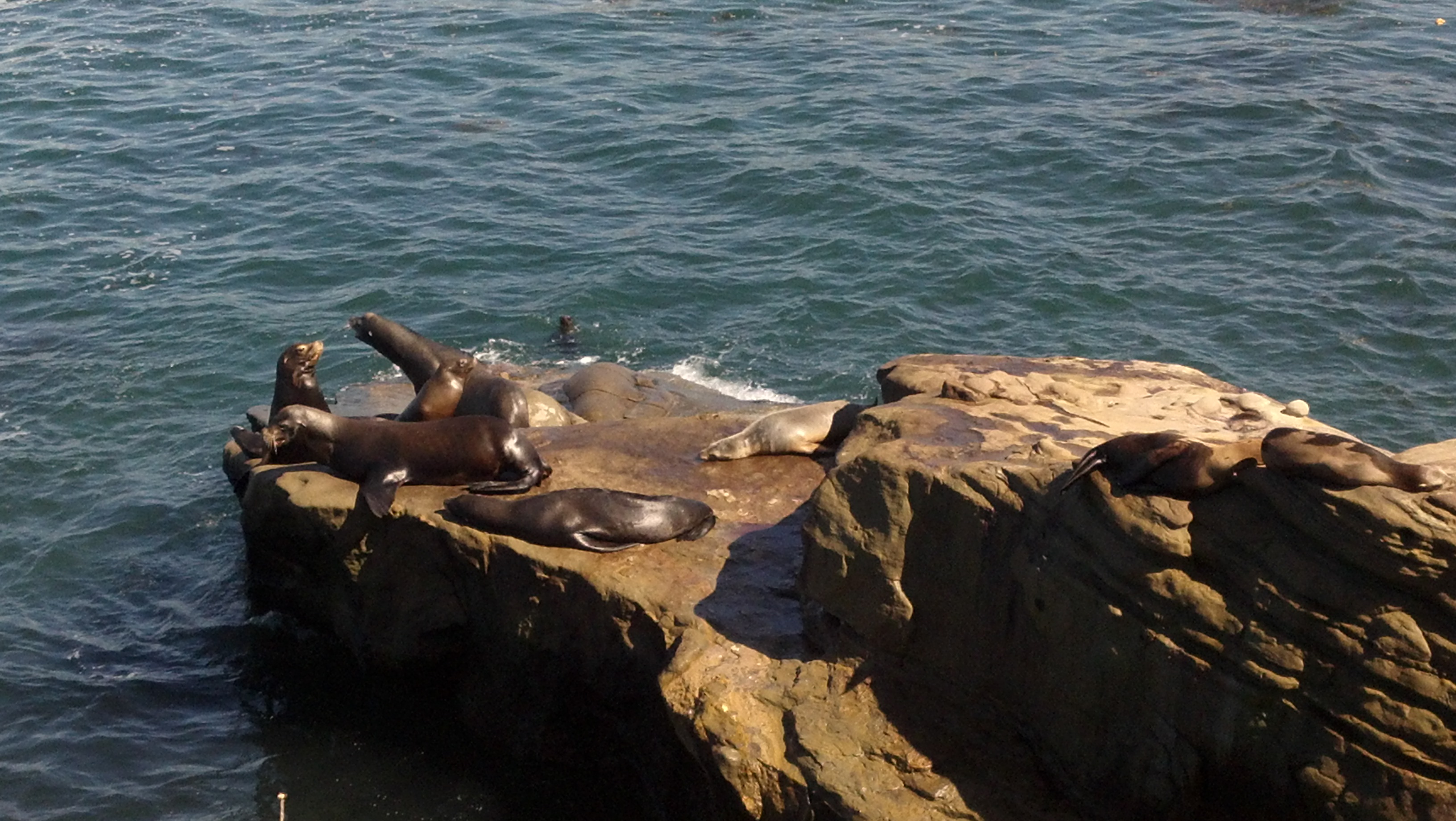
The 8th graders received a primer on marine ecology during their first field science day of the year at La Jolla Cove & Shores this past week. Working with local outdoor adventure company Positive Adventures, our students were able to discover a little more about themselves, their classmates as well as some of the creatures that live within our local marine habitat. Of particular interest, our students received an in depth talk about the similarities and differences between California Harbor Seals (Phoca vitulina) & California Sea Lions (Zalophus californianus):

Continue reading →

Math & Science Olympics: Sumo Wrestling Robots

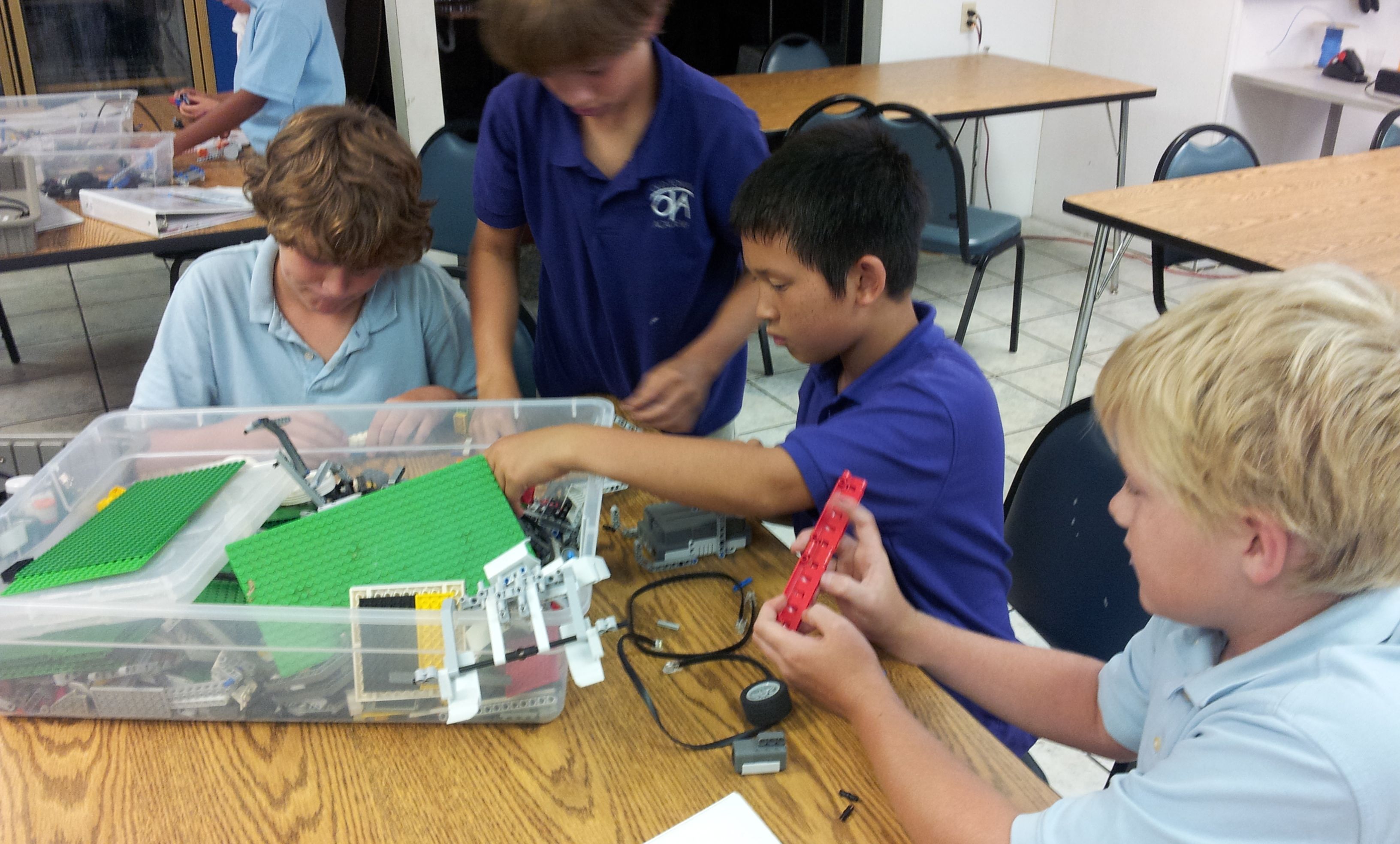
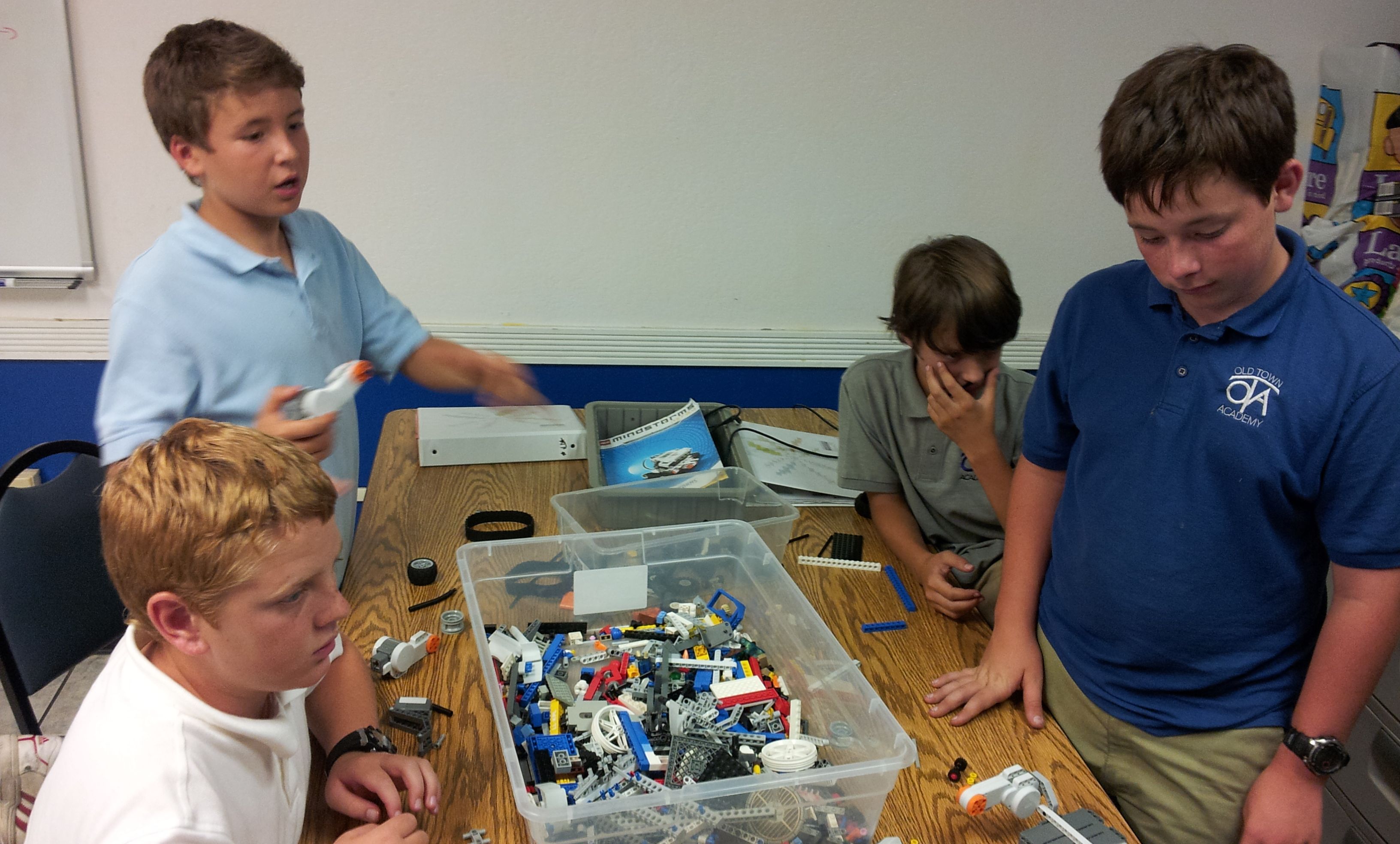
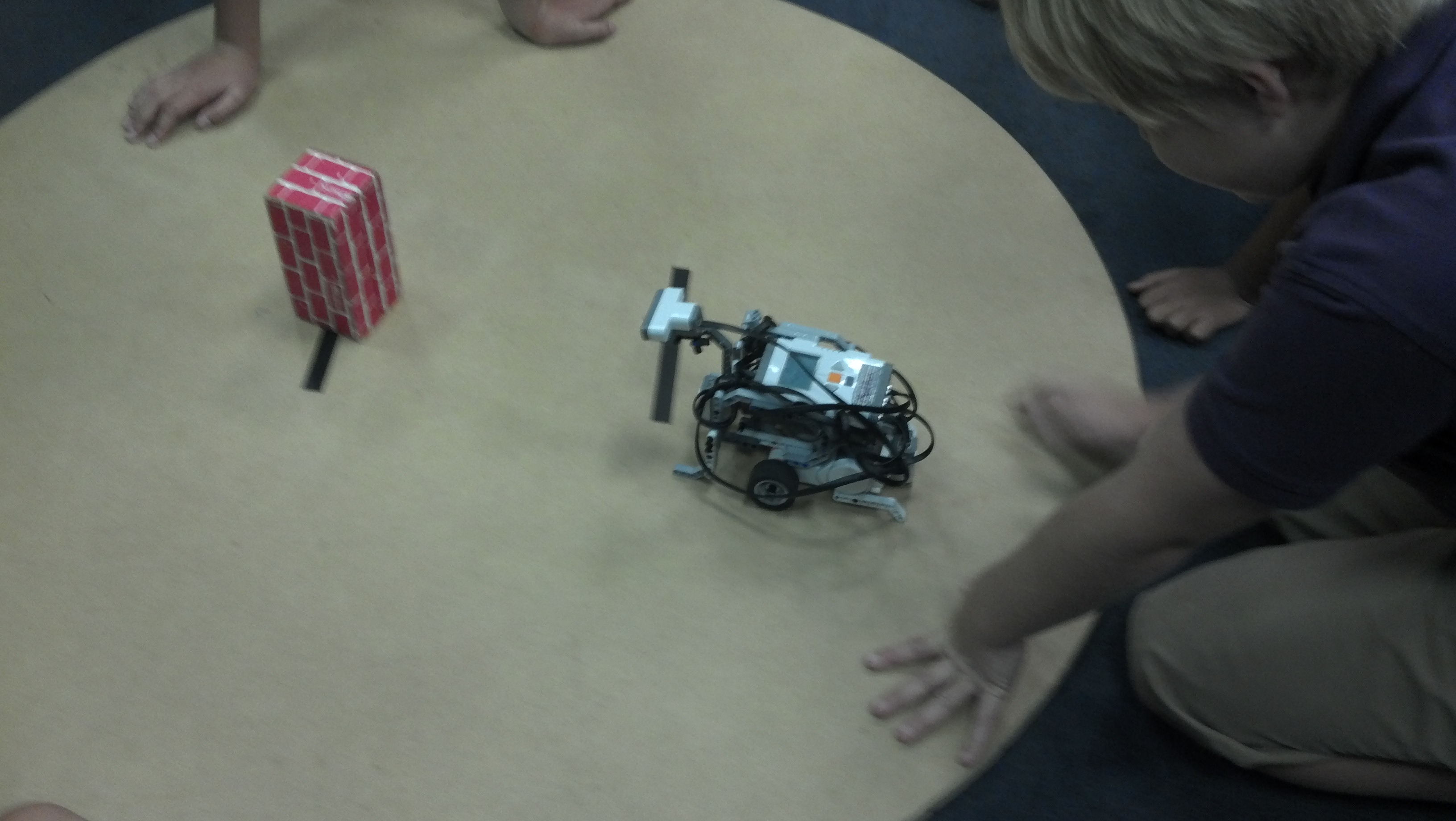
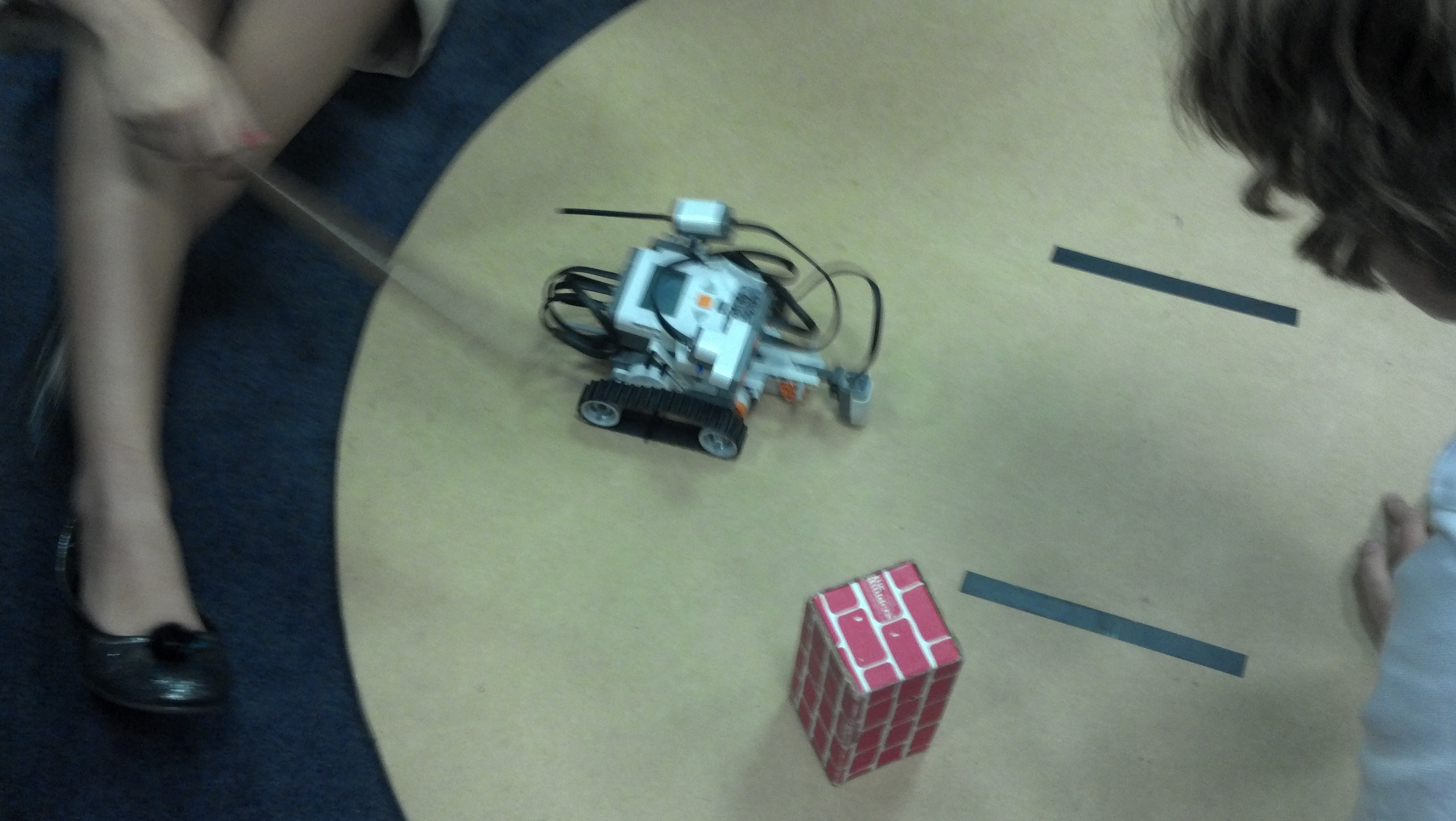
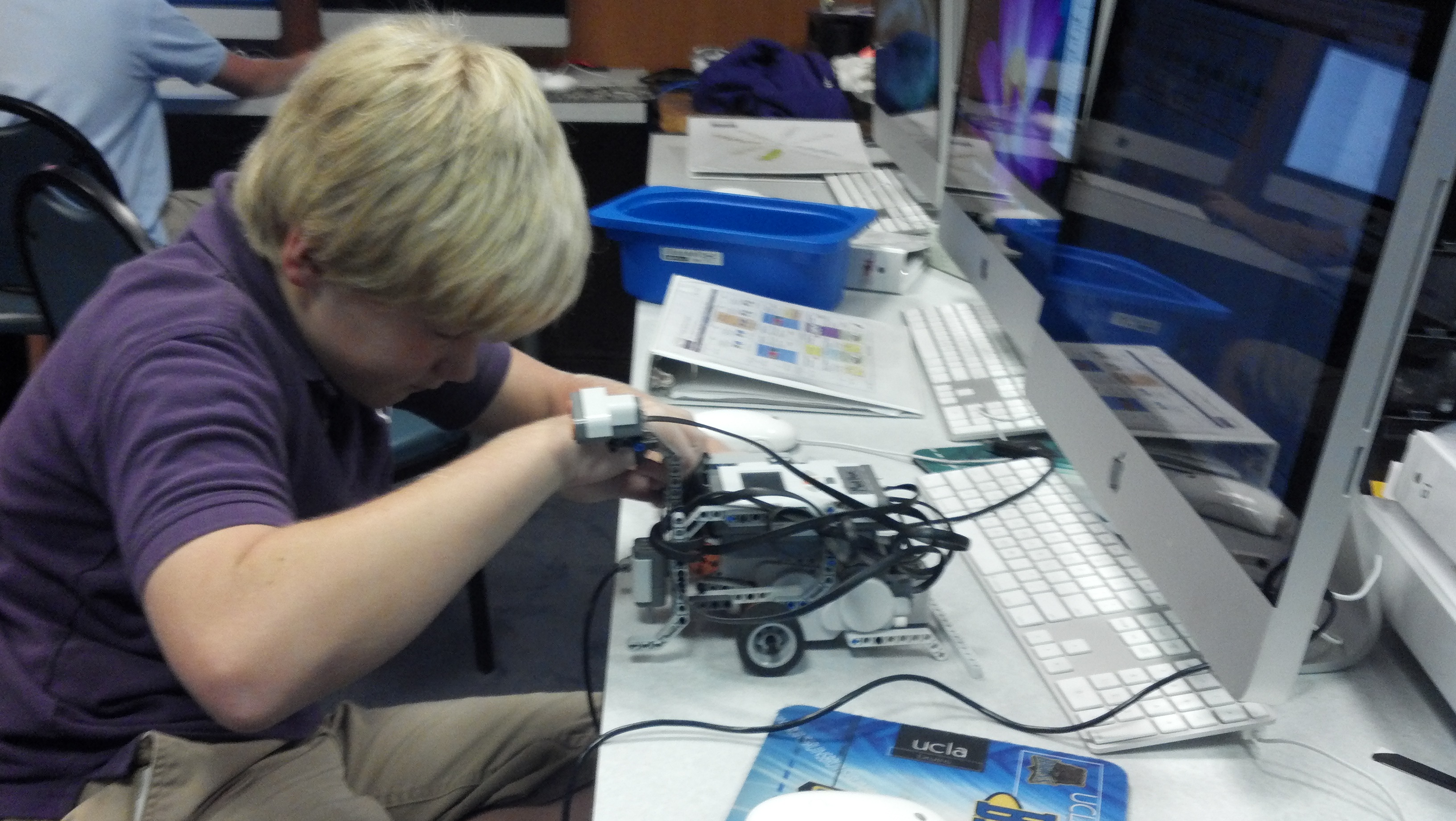
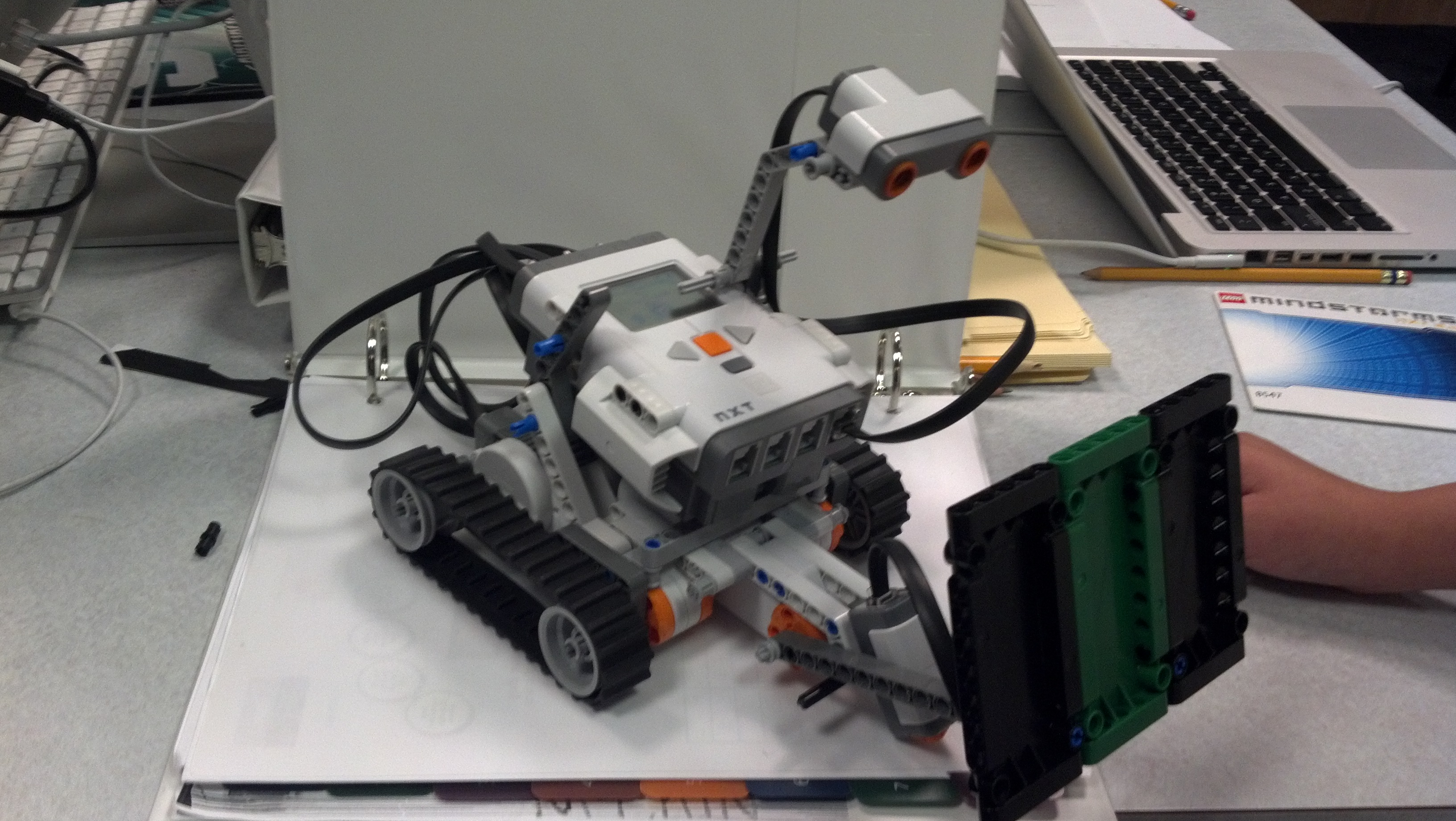
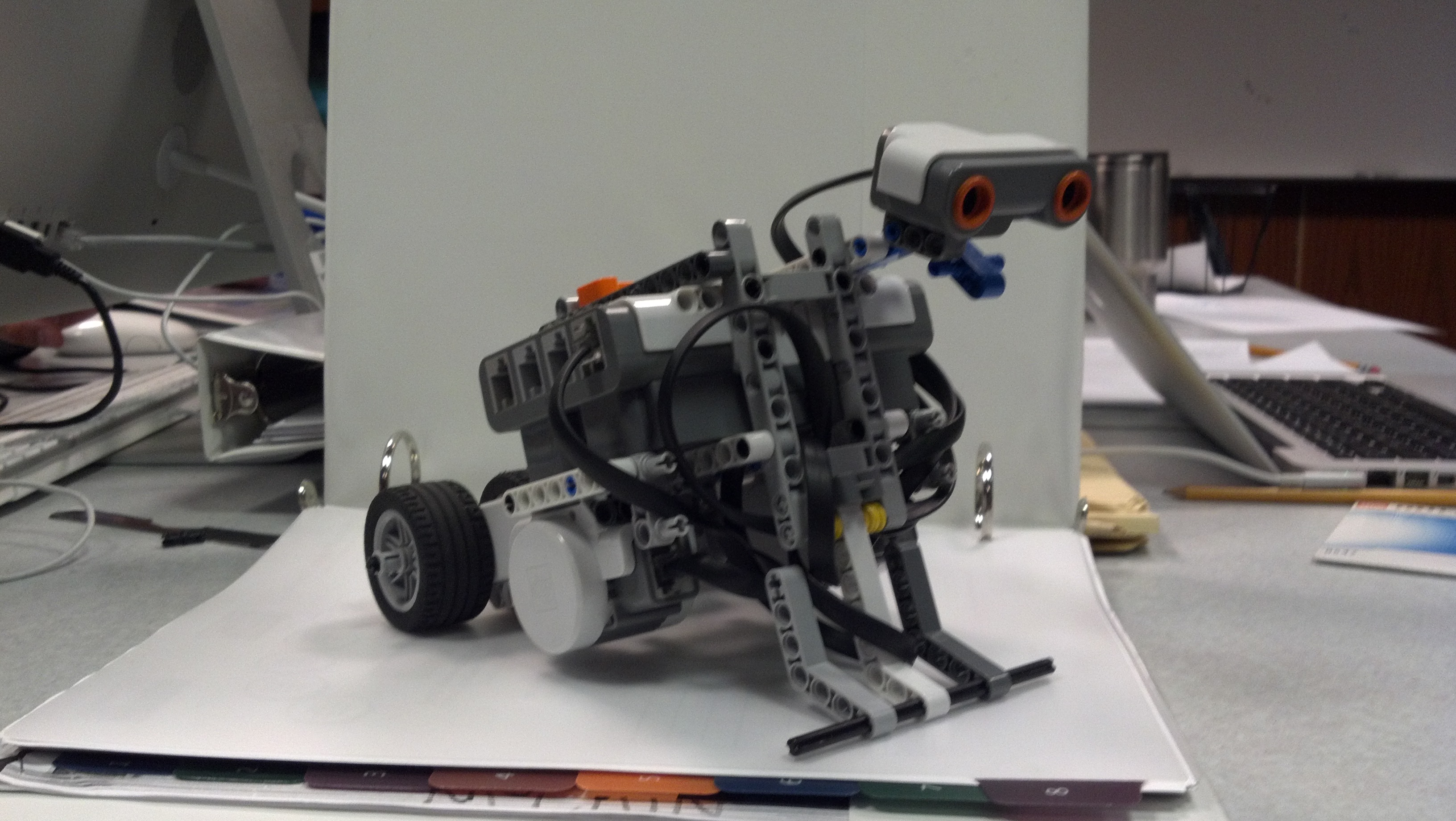
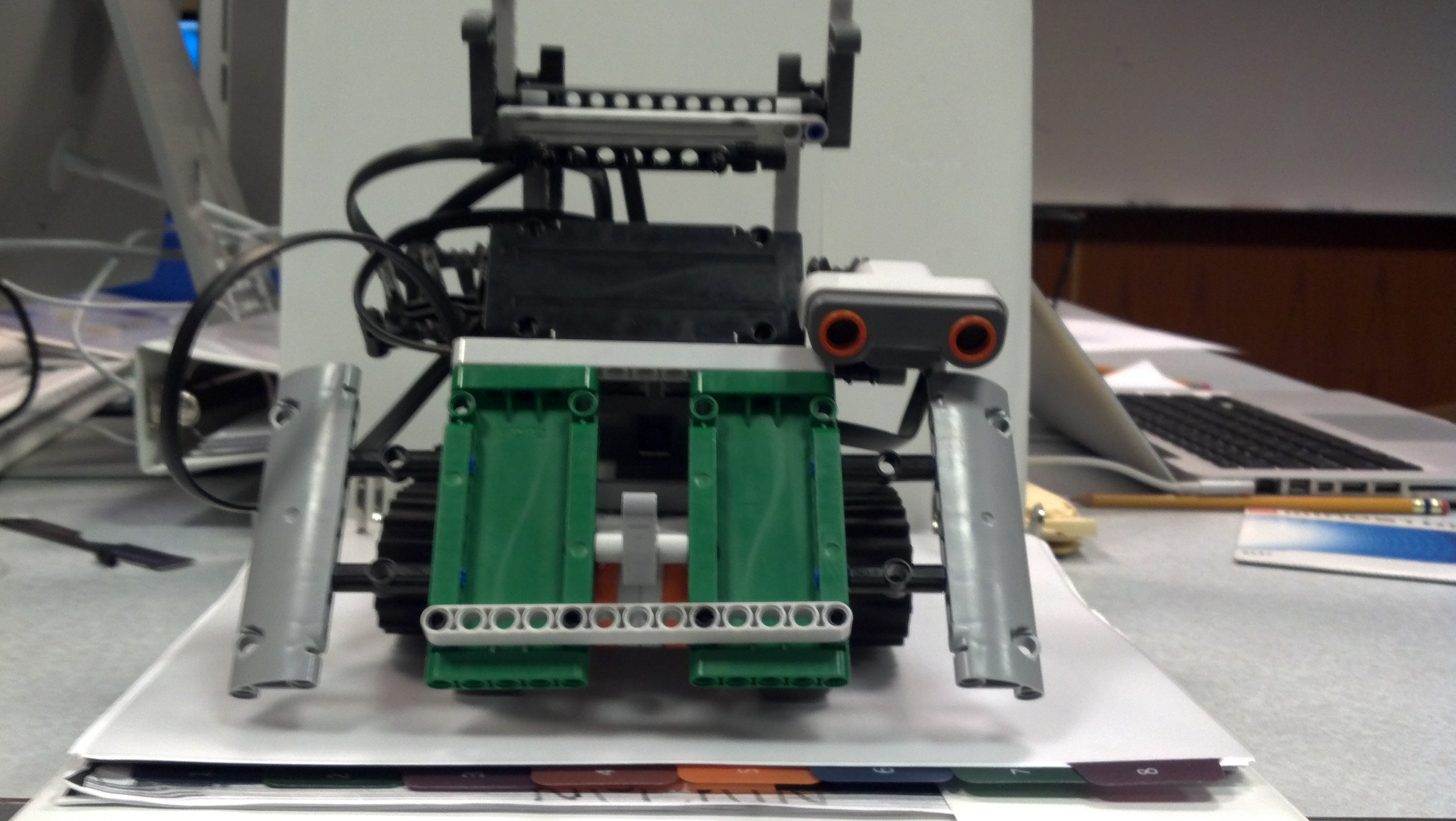
In our sincere efforts to have students apply knowledge gained in our math and science classes, students in the 6th grade have been designing, building and programming semi-autonomous robots. Full autonomous robots are like robots in the Terminator movies….so we avoid those! Instead students have been on a fast paced roller coaster ride to develop bots that have offensive strategies as simple as pushing to more complex strategies such as pulsing mini appendages to snag or flip opponents. Simultaneously students have also develop strategies to stay on the Sumo Wresting board using both digital “touch” sensors and analog “color” sensors. Their appearance at last weekends annual RoboExpo continues to excite and intrigue the wide variety of participants who came and our students had fun testing their robots on a significantly different playing surface.

4th Graders Transform Energy

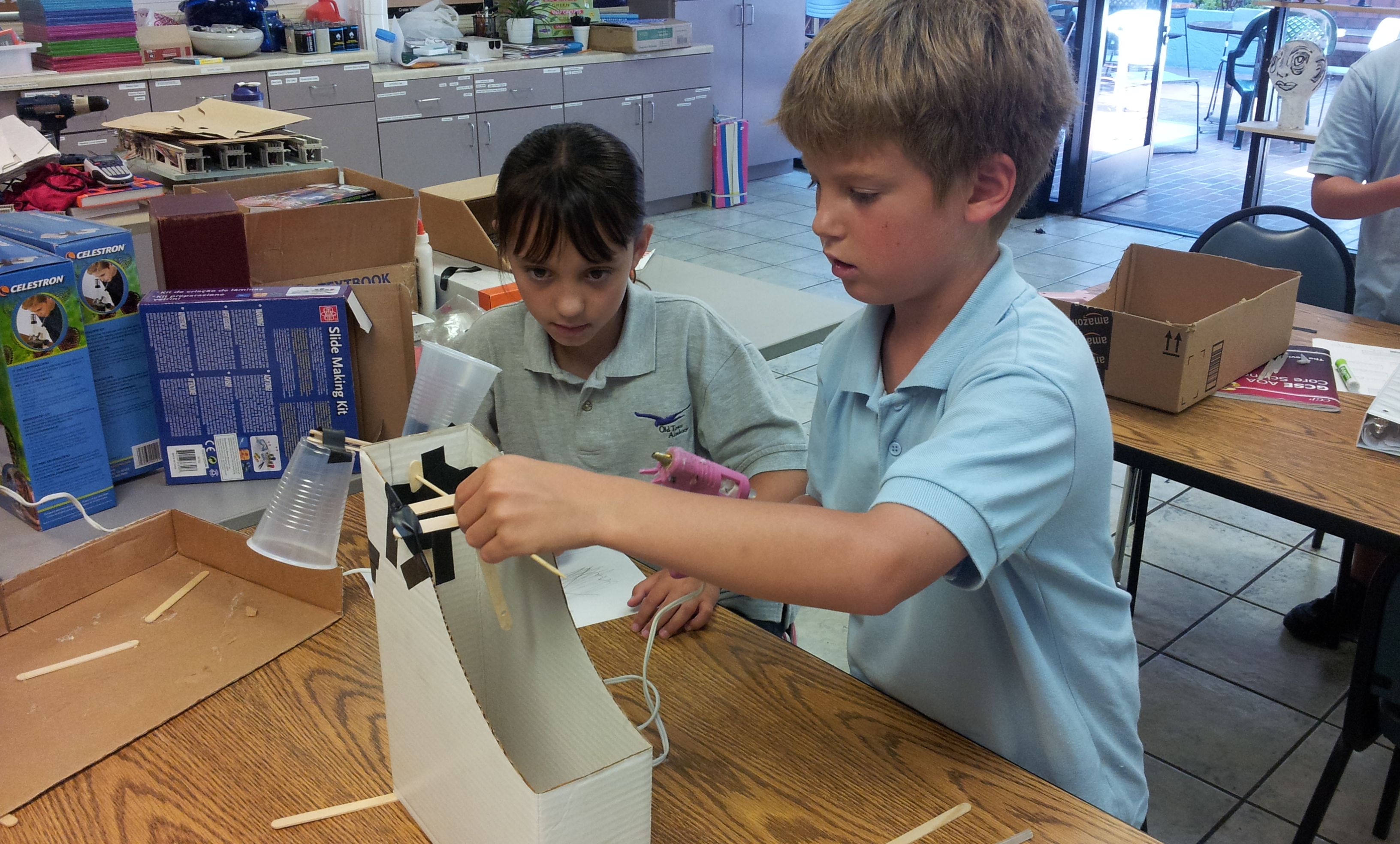
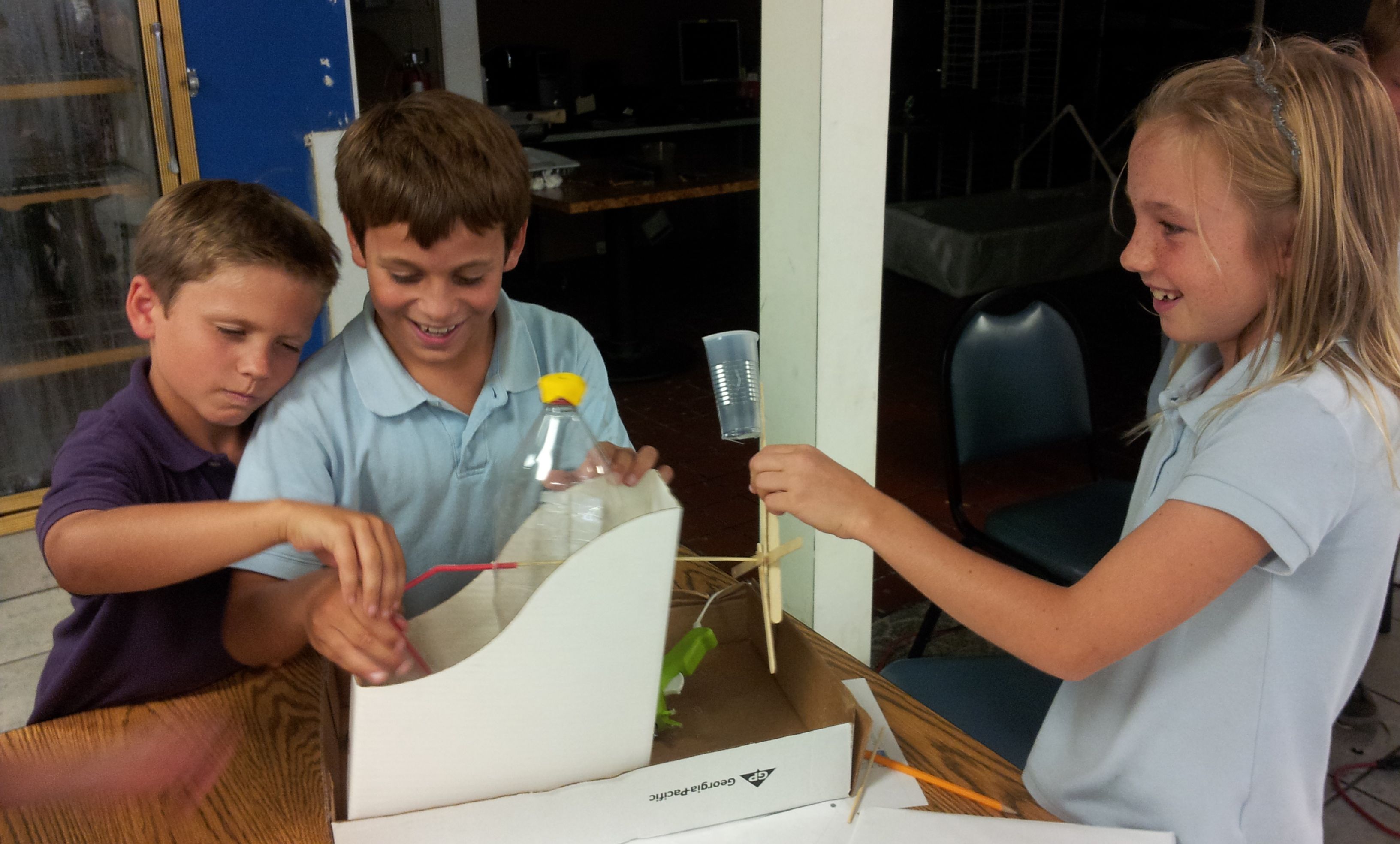
4th Grade Science started off with a bang this year as the students began their investigations of how turbines convert wind energy into electrical energy. With our ever helpful Mr. Doar, the students were reviewed ‘what is science’ – and the students wrote a list of all the things they associate with science. Respect was high on the list!

Student observations included Continue reading →

6th Graders Investigate Paper Airplane Designs

6th graders are busy investigating paper airplane designs in order to better understand how their changes affect their designs. Particular care is being given to observing changes in distance flown, height flown, and/or how many twists, loops or stunts the plane performs.

OTA Home  Link (all 6th graders should be able to answer the following questions):

  1. What are some important characteristics of paper airplanes that make them fly farther?
  2. How does surface area affect how high or far a plane flies?
  3. What is center of mass and how does it affect the flight of paper airplanes?

8th Graders have an introduction to Biology 101

The 8th grade class has begun to formulate understandings for our year-long topic of Life Science. Specifically they have begun to investigate the methods and language that scientists use to classify and talk about different forms of life. Additionally they have begun lessons on concept mapping using Inspiration software as a means of brainstorming their ideas about life as well as highlighting the important links between concepts.

In today’s lesson, students had to pass an oral exam centered on the appropriate use of a Microscope, how to prepare a human cheek cell slide and how to prepare an onion cell slide.

OTA Home  Link (all 8th graders should be able to answer the following questions):

  1. What are the 3 elements of a microscope that allow you to see a magnified image?
  2. How do you prepare a slide in general?
  3. What are the most important things to remember when using a cover slide?
  4. Why do we use Methyl Blue or Iodine to stain our cell slides?